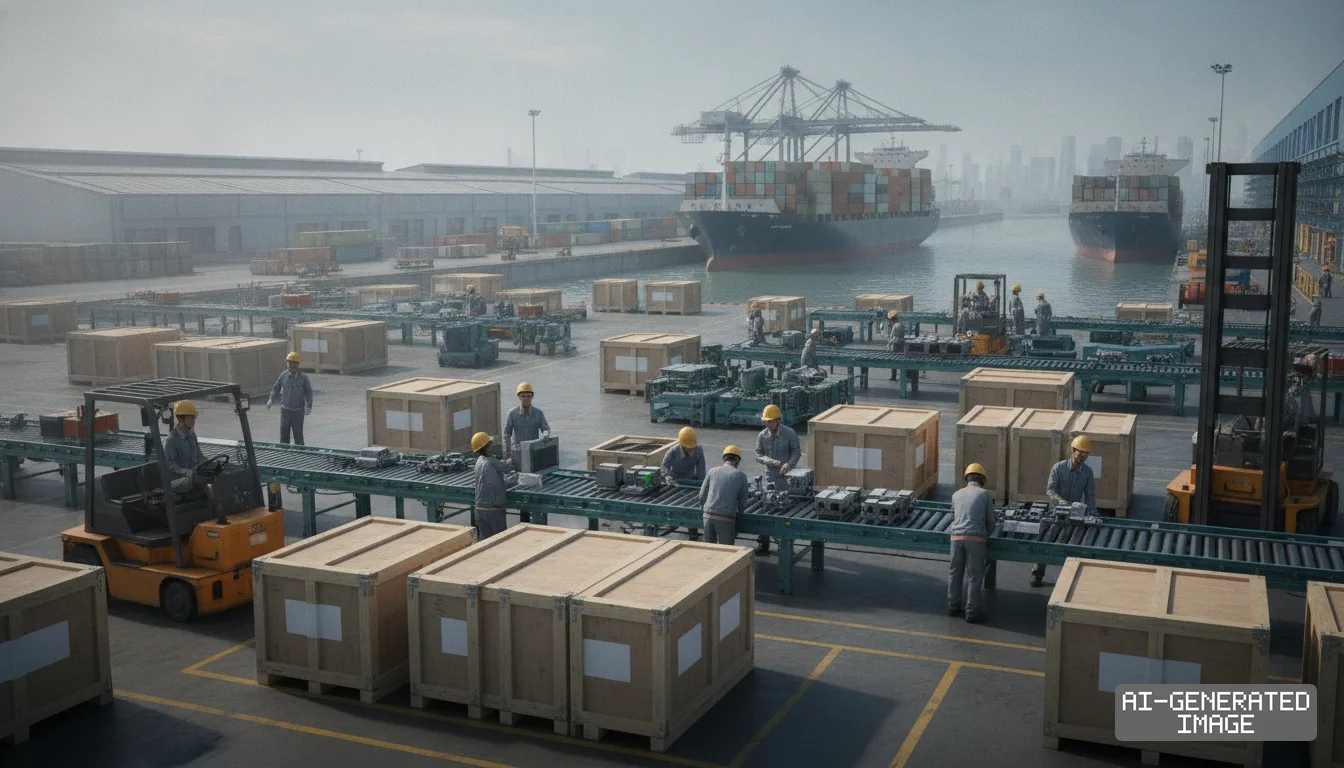
China, Switzerland sign upgraded FTA, freeing 99.8% of goods
The protocol eliminates Chinese import duties on Swiss precision instruments and manufacturing equipment while expanding duty-free trade coverage from 53.6% to 99.8% of export value.
China's Ministry of Commerce and Switzerland's State Secretariat for Economic Affairs signed a protocol on Oct. 30, 2026, upgrading their bilateral free trade agreement to eliminate tariffs on 99.8% of goods.
The agreement lifts the duty-free share of Swiss exports to China from 53.6% under the original 2014 accord. Chinese Commerce Minister Wang Wentao and Swiss State Secretary Helene Budliger Artieda signed the document in Beijing.
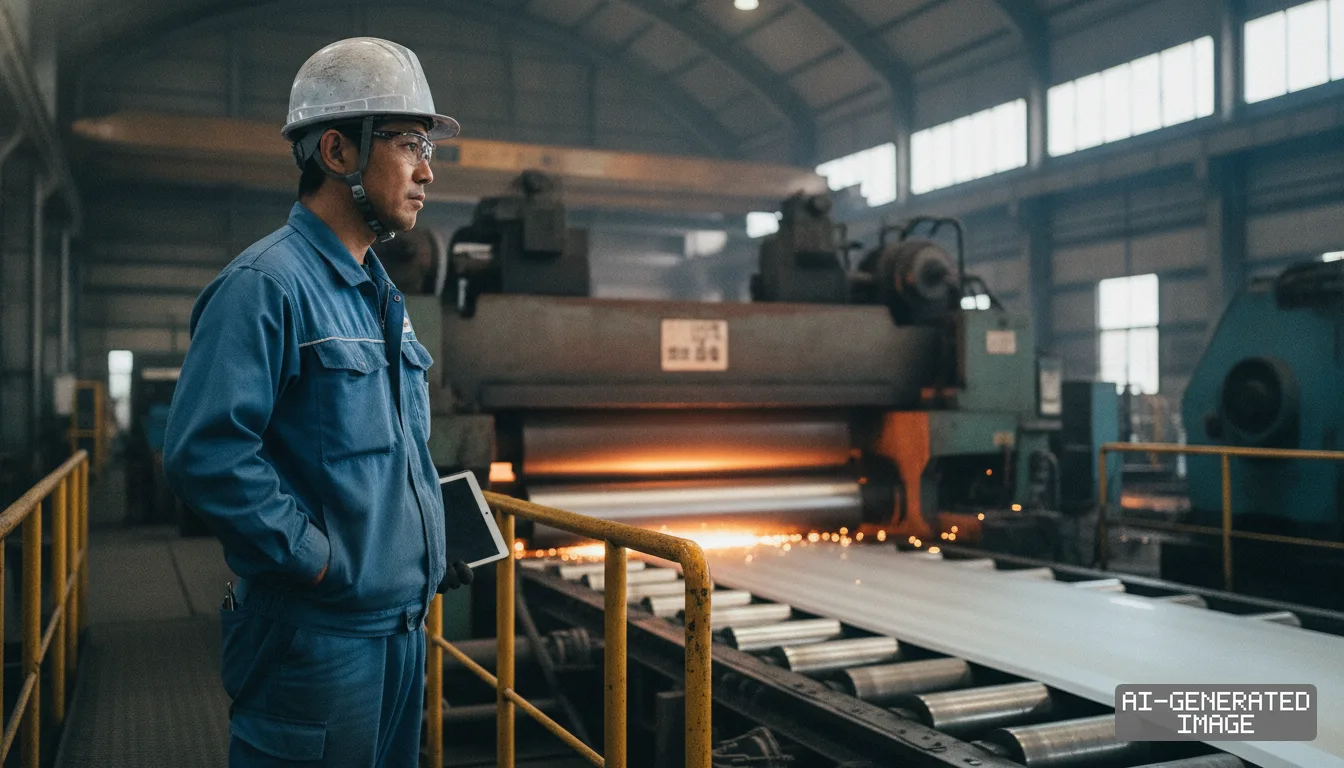
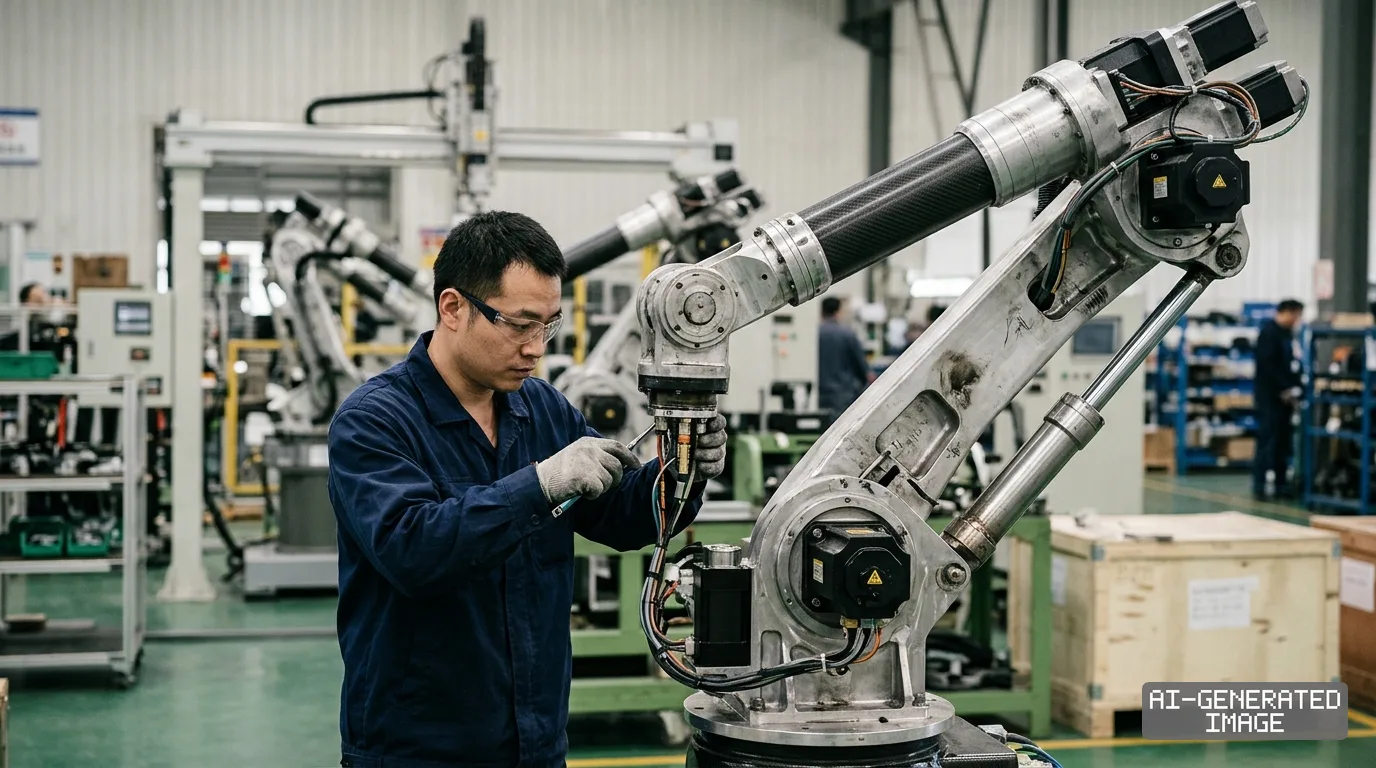
The revision removes import taxes on industrial machinery and precision instruments. Those two product categories form the backbone of Swiss manufacturing sales to Chinese industrial buyers.
Under the agreed terms, 77.5% of Swiss export volume will enter China tariff-free as soon as the protocol enters into force. China will phase out the remaining duties over transition periods lasting five to 10 years.
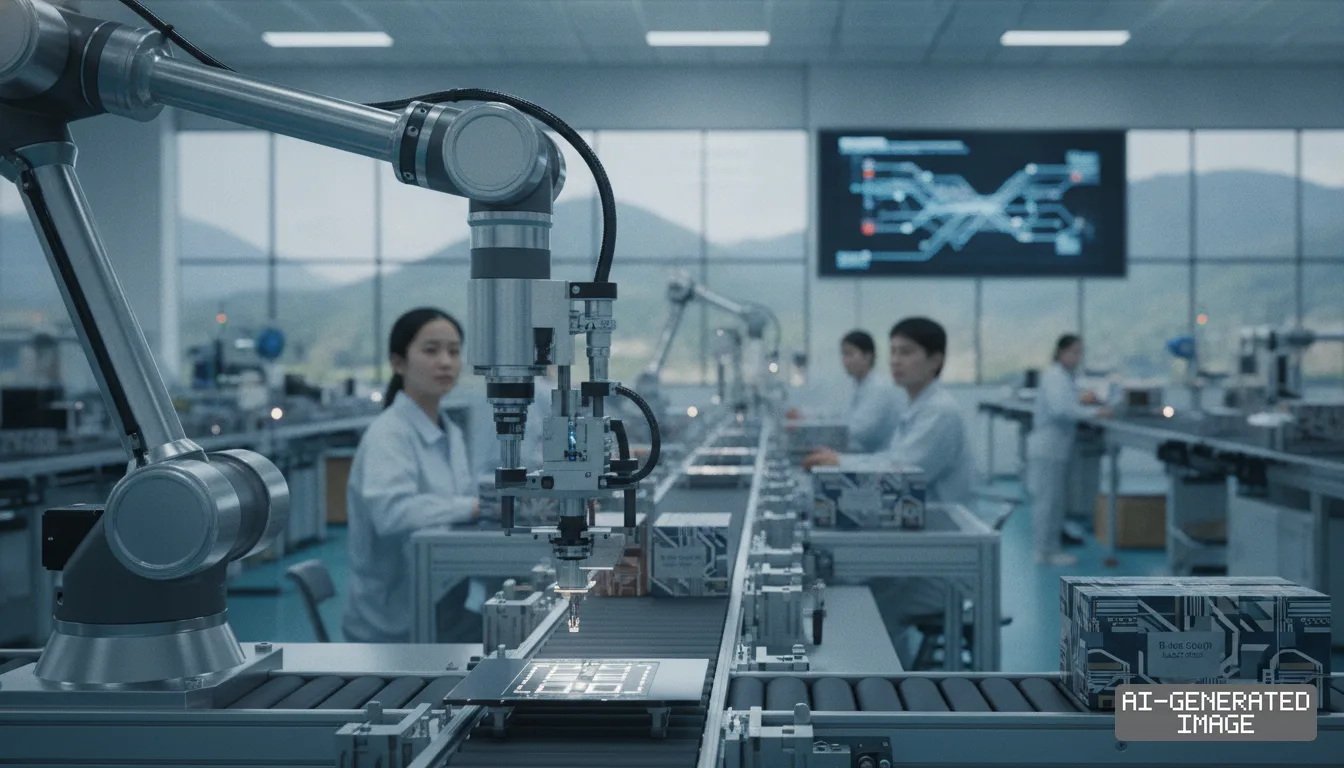
Chinese customs will eliminate all tariffs on Swiss precision instruments, categorized under Harmonized System Chapter 90. That expands duty-free coverage from 85.9% under the previous agreement to 100%.
The pact also removes all duties on general industrial machinery. Duty-free access for Swiss machinery will rise from 74.7% to 100%, erasing residual levies of 5% to 12% on specialized machine tools.
Chinese duties on Swiss watches will fall from partial coverage of 1% to full duty-free treatment. Swiss chemical exports will see duty exemptions widen from 50.4% to 100%, and pharmaceutical exemptions will jump from 29.1% to 100%.
The tariff cuts arrive as Chinese manufacturers accelerate spending on automation and high-precision fabrication tools. Chinese state subsidies continue to fund upgrades in domestic electric-vehicle lines, medical device plants and wafer fabrication facilities.
The zero-tariff framework gives Swiss equipment builders a cost advantage over European Union competitors. German, Italian and French toolmakers face standard Chinese most-favored-nation tariffs because the EU has no bilateral trade deal with Beijing.
Swiss vacuum-valve supplier VAT Group AG generates more than 30% of its global equipment sales from customers in China. The company manufactures precision valves required in semiconductor manufacturing chambers and advanced display production lines.
Swiss machinery group Georg Fischer divested its machining solutions business to United Grinding Group in 2025 to focus on fluid automation and piping systems. United Grinding relies on Chinese factories for a substantial share of its global precision grinding tool shipments.
Members of Swiss industrial association Swissmem export machine tools, optical sensors and measuring systems to Chinese manufacturers. The trade association had lobbied Berne for five years to eliminate remaining duties on advanced machining centers.
China has prioritized sourcing European machine components that operate below Western multilateral export control thresholds. The upgraded pact secures a stable, duty-free procurement channel for Chinese factories seeking European technology.
The protocol includes a dedicated chapter covering trade and sustainable development. The text incorporates binding rules on environmental standards and international labor conventions, the Swiss federal administration said.
Wang and Budliger Artieda also concluded a parallel agreement on labor and employment cooperation, according to Swiss government notices. The labor pact mirrors commitments in recent Swiss trade treaties across Asia.
Bilateral negotiations to modernize the trade treaty concluded on Aug. 20, 2026, during ministerial meetings in Bern. Friday's signing ceremony formalizes terms finalized across three years of technical review.
The official notices do not state the exact effective date for the revised tariff schedules. Neither ministry published the itemized tariff-line annexes detailing the annual phaseout percentages on Friday.
The protocol requires domestic legislative approval and ratification in both countries before the tariff reductions take effect. The Swiss Federal Council plans to submit the dispatch and the treaty text to the Federal Assembly in Bern.
Impact map
How this development propagates across the region and out to global buyers.
| Event | Korea | China | Japan | Global impact |
|---|---|---|---|---|
| China-Switzerland FTA upgrade | precision tool exporters face stiffer price competition from Swiss rivals in China | secures tariff-free European precision instruments and semiconductor valves | machine tool builders lose margin advantage over Swiss competitors in Chinese market | creates tariff-free pipeline for European precision tooling into China |
In this story
- Companies
- VAT GroupGeorg Fischer
- Tickers
- VACN.SWFI-N.SW
- Exposed
- United Grinding Group
- Policy
- Tariffs
- Impact
- Cost StructureSupply Chain
Track every Tariffs development →
Related briefings
- Japan sets 42.1% duty on Chinese cold-rolled stainless steel Also on Tariffs, Cost Structure
- China waives tariffs on African trade with no political terms Also on Tariffs, Cost Structure
- BYD opens orders for second-gen Seal 07 with rooftop LiDAR Also on Tariffs, Cost Structure
- Trump 100% China tariff threats hit Asian intermediate hubs Also on Tariffs, Cost Structure
Sources
Primary documents
Reporting
Confidence: high — how we grade this
The documents behind this briefing are linked above. East Asia Brief produces its English text with AI assistance under human editorial review, and does not translate or republish other outlets' articles. See our methodology and AI policy. Spotted an error? Tell us.
The Morning Brief
What changed in Korean, Chinese and Japanese industry overnight — and what it means for your supply chain. One email, weekday mornings, US time. Free.
The Morning Brief is in preparation. Leave your address and we will write to you once — when the first issue is ready. Nothing before that.