HD Hyundai wins $467 million order from BGN for four VLGCs
The contract adds 625.8 billion won in dual-fuel gas carrier backlog for delivery by 2030, taking the trader's 2026 orders at the Ulsan shipyard to 10 vessels.
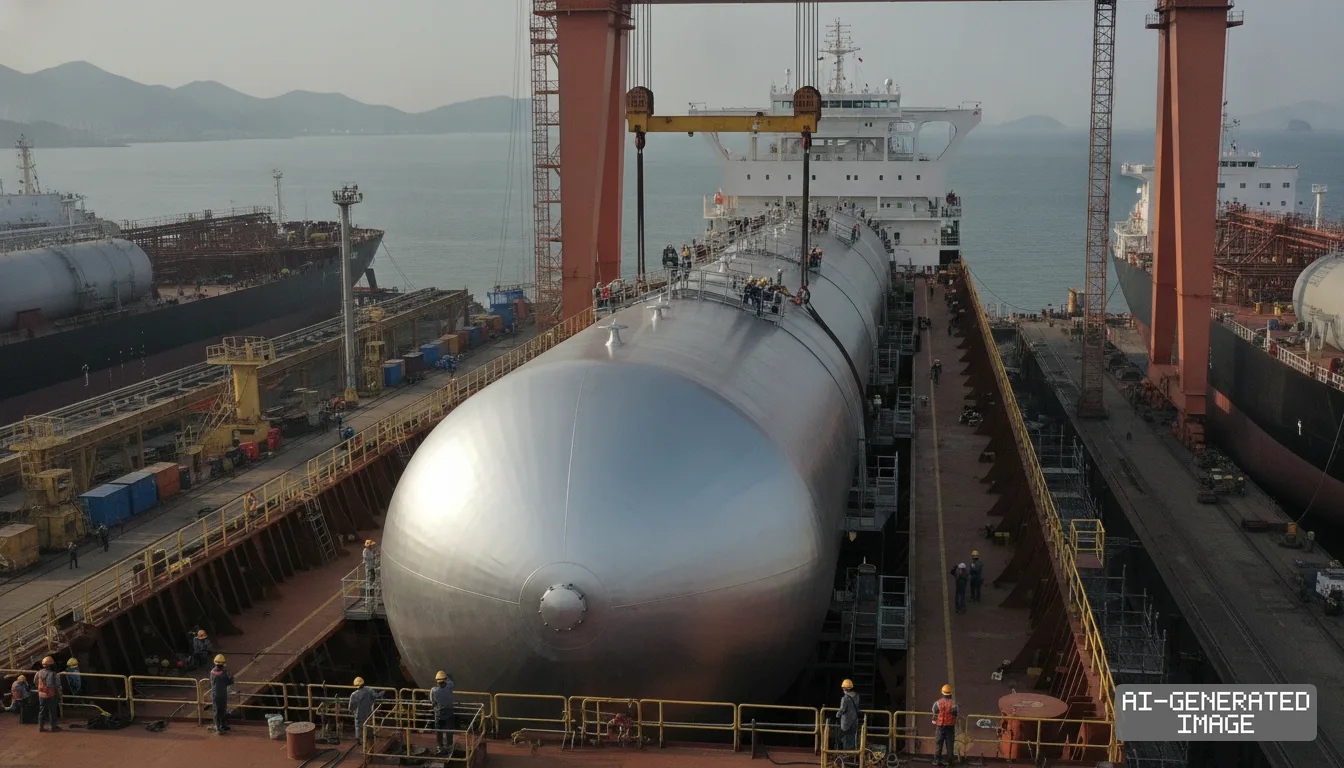
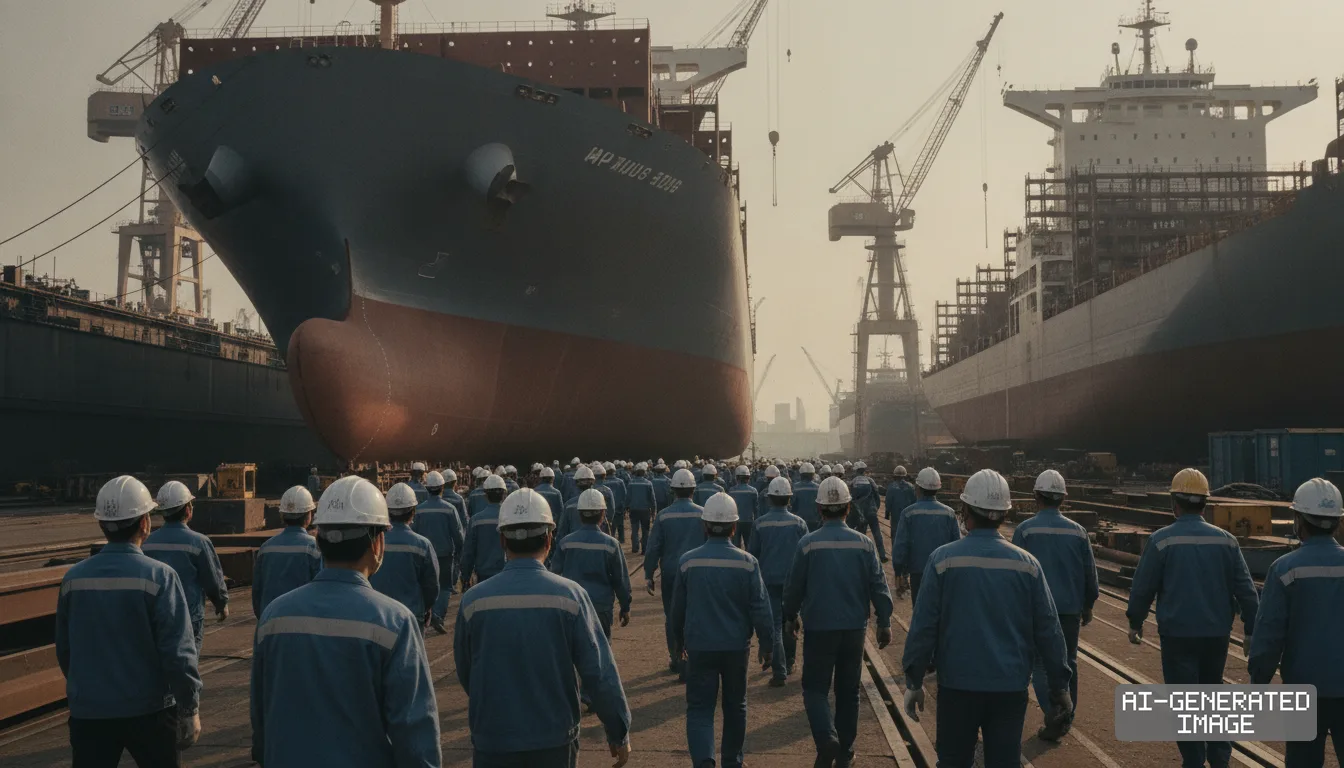
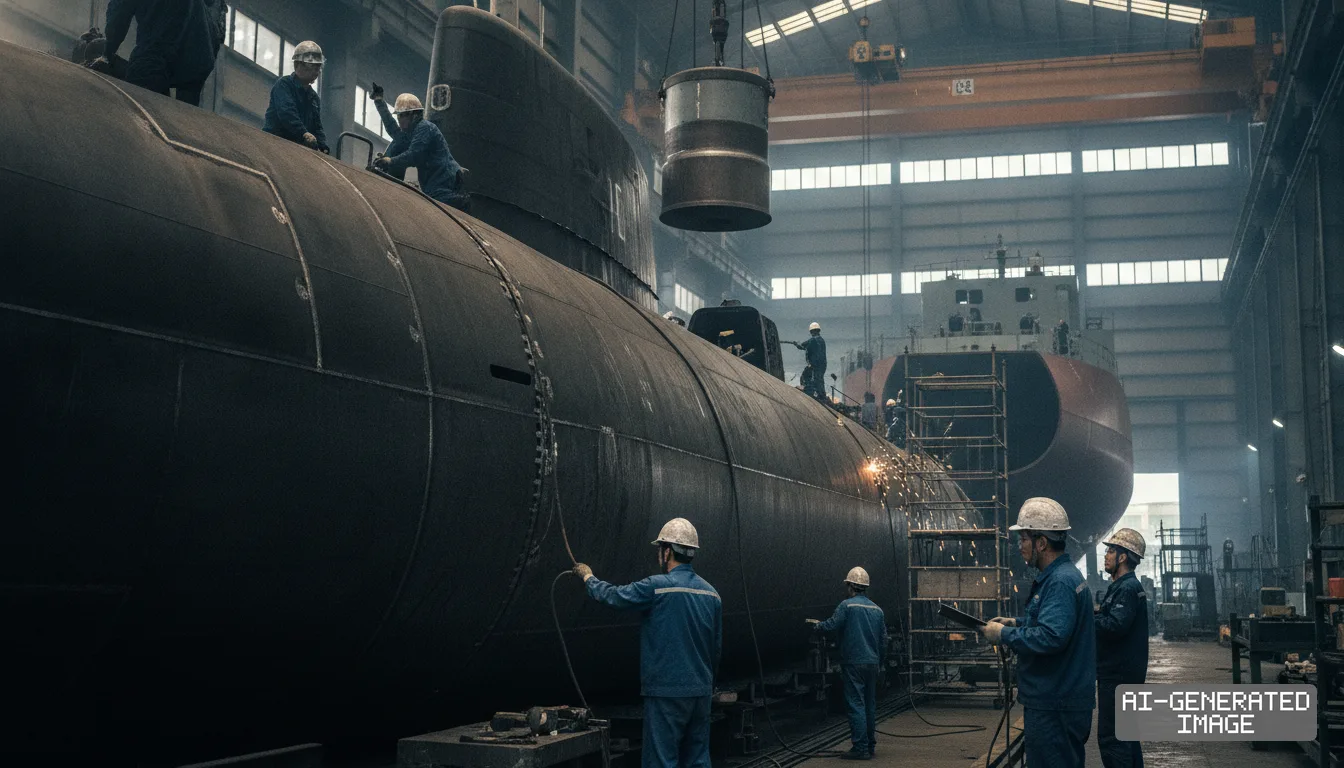
HD Hyundai Heavy Industries finalized an order Oct. 17 from global energy trader BGN to build four 93,000-cubic-meter liquefied petroleum gas carriers for 625.8 billion won ($466.8 million).
The contract represents 3.56% of the shipbuilder's recent consolidated annual revenue. It locks in high-margin shipyard construction slots at Ulsan through the end of June 2030, according to a regulatory filing.
The vessels are very large gas carriers designed with dual-fuel propulsion systems capable of burning liquefied petroleum gas alongside conventional bunker fuel. They also feature engineering configurations that allow them to transport ammonia cargoes.
BGN finalized the commercial agreement during a formal signing ceremony in Istanbul on Oct. 14. Shipyard production schedules target initial phased vessel deliveries to begin in January 2030, the energy trader said.
The agreement marks the third very large gas carrier order BGN has placed with HD Hyundai Heavy Industries this year. The transaction brings the trader's total 2026 contracting at the yard to 10 vessels.
BGN previously contracted four 90,000-cubic-meter dual-fuel gas carriers at the Ulsan yard in April. The company followed that agreement with an order for two 93,000-cubic-meter sister vessels in June, shipyard booking records show.
The four new ships will expand BGN's owned gas carrier fleet from 19 to 23 hulls. The trader currently operates a commercial logistics network of more than 40 owned and chartered vessels globally.
The expansion gives BGN direct operational control over waterborne shipping logistics as global trade volumes for liquefied petroleum gas and petrochemical feedstocks expand across the Pacific and Atlantic basins, maritime logistics analysts said.
The order lifted 2026 newbuilding contracts across parent company HD Korea Shipbuilding & Offshore Engineering to 174 vessels valued at $19.25 billion. That total represents 82.6% of the group's annual order target of $23.3 billion.
South Korean shipyards continue to command pricing premiums on gas carriers because their delivery slots are booked solid through 2028. Major yards are now selecting only high-margin projects for their 2029 and 2030 dockets.
Global energy traders and fleet operators are replacing older tonnage to comply with international maritime carbon intensity benchmarks. Modern dual-fuel gas carriers provide compliant fuel flexibility while preserving access to major export routes.
The commercial win comes while HD Hyundai Heavy Industries negotiates annual wage packages with its labor union in Ulsan. Union representatives have threatened partial walkouts over wage increases and performance bonus formulas during autumn bargaining rounds.
Shipyard managers have maintained berth scheduling by reallocating fabrication workloads across modular assembly blocks. Management aims to prevent production delays that could trigger liquidated damage penalties on long-lead gas projects, yard officials said.
South Korea's major shipbuilders dominate the specialized market for very large gas carriers and liquefied natural gas tankers. Chinese yards have expanded merchant capacity, but Korean yards retain market preference for complex cryogenic containment tanks.
Engine builders within the HD Hyundai group supply the dual-fuel power plants for the new vessels. The engines lower carbon dioxide output and qualify the hulls for green shipping corridors under development in Europe.
Ammonia capability provides additional commercial upside for fleet owners as global clean hydrogen supply chains develop. Traders can redirect these gas carriers into ammonia transport without undergoing expensive structural conversions, naval architects said.
BGN has steadily reinforced its physical distribution platform through long-term shipping partnerships. The trader chartered a newly built 90,000-cubic-meter dual-fuel vessel from Japanese shipowner IINO Lines in September to service expanding Asian delivery routes.
The trading house also secured external commercial financing this month for two gas carriers operated under a joint venture with South Korean carrier HMM. Standard Chartered supported that credit package, company announcements showed.
Deliveries for the four new vessels begin in January 2030, with construction milestones and steel-cutting schedules across the Ulsan dry docks slated to run through June 30, 2030.
The regulatory filing does not state individual per-vessel contract prices, and shipyard management has not disclosed whether the agreement contains option clauses for additional sister hulls.
Impact map
How this development propagates across the region and out to global buyers.
| Event | Korea | China | Japan | Global impact |
|---|---|---|---|---|
| BGN four-VLGC order | HD Hyundai Heavy locks in 3.56% of annual revenue through 2030 delivery slots | Chinese shipbuilders miss export berths as Korean yards hold cryogenic gas carrier lead | IINO Lines maintains joint trading charters with BGN on Asian LPG trade routes | Commercial gas carrier fleets add ammonia-ready dual-fuel tonnage to meet carbon targets |
In this story
- Companies
- HD Hyundai Heavy IndustriesBGN
- Tickers
- 329180.KS
- Exposed
- HD Korea Shipbuilding & Offshore EngineeringHMMIINO Lines
- Impact
- Order BookCapexPricing
Related briefings
- Asyad Shipping orders two MR product tankers at HD Hyundai Also on HMM, HD Korea Shipbuilding & Offshore Engineering, HD Hyundai Heavy Industries
- HMM confirms no new tanker order with HD Hyundai on Sept. 9 Also on HMM, HD Hyundai Heavy Industries, Order Book
- HD Hyundai Heavy wins $467 million gas carrier contract Also on HD Korea Shipbuilding & Offshore Engineering, HD Hyundai Heavy Industries, Pricing
- HD Hyundai and Hanwha Ocean Lock In LNG Carrier Berth Slots Through 2029 Also on HD Korea Shipbuilding & Offshore Engineering, HD Hyundai Heavy Industries, Pricing
Sources
Primary documents
Reporting
Confidence: high — how we grade this
The documents behind this briefing are linked above. East Asia Brief produces its English text with AI assistance under human editorial review, and does not translate or republish other outlets' articles. See our methodology and AI policy. Spotted an error? Tell us.
The Morning Brief
What changed in Korean, Chinese and Japanese industry overnight — and what it means for your supply chain. One email, weekday mornings, US time. Free.
The Morning Brief is in preparation. Leave your address and we will write to you once — when the first issue is ready. Nothing before that.