Shinheung SEC turns profit on Samsung SDI prismatic ESS boom
The battery component maker pivoted its Ulsan factory to utility storage hardware after electric vehicle demand stalled, lifting first-half operating profit to 6.8 billion won.
Shinheung SEC said on Oct. 27, 2026 that it had returned to operating profitability as its Ulsan factory shifted output toward battery components for North American energy storage systems.
The supplier swung to consolidated operating profit of 6.8 billion won ($4.9 million) in the first half of 2026, recovering from an operating loss of 2.2 billion won a year earlier.
First-half revenue rose 23.8% year over year to 255.2 billion won ($185 million), regulatory filings show. Sales of medium and large prismatic cap assemblies generated 176.8 billion won, accounting for 69.3% of total revenue.
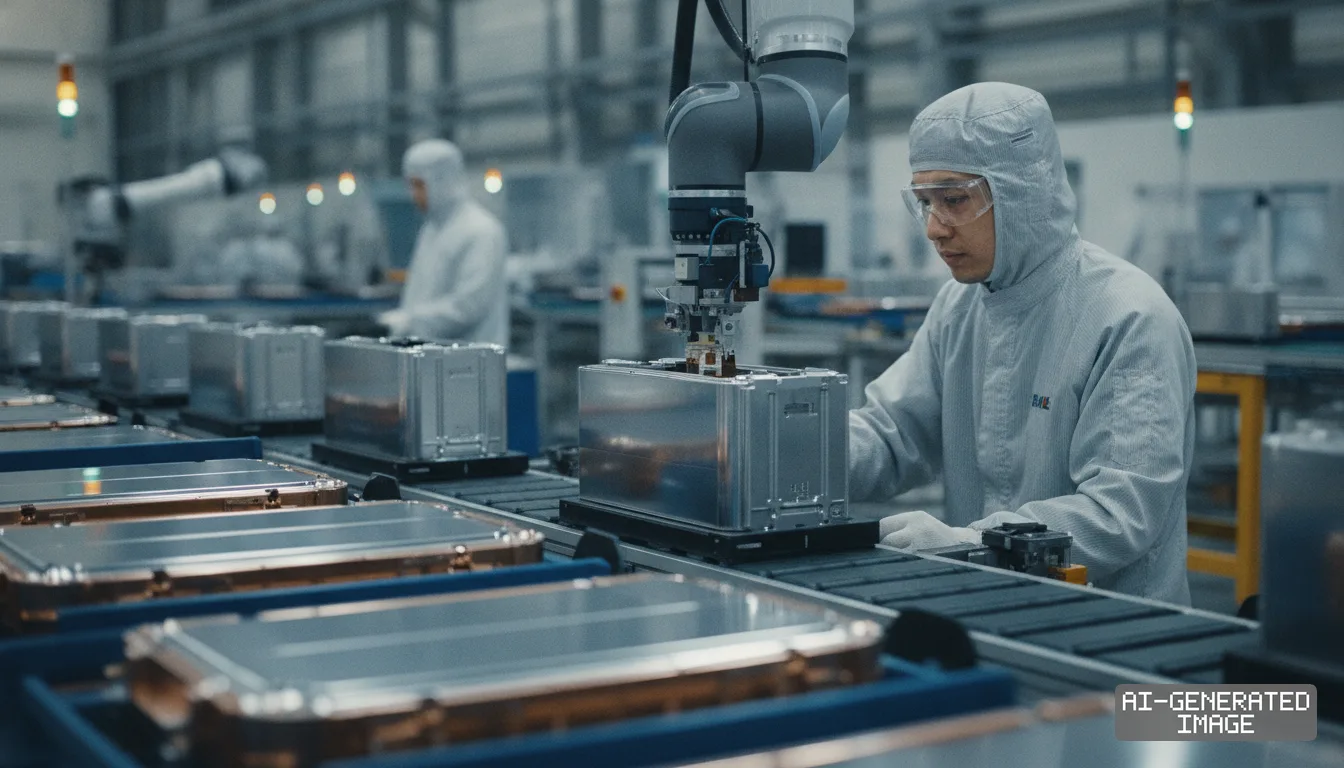
Shinheung SEC manufactures precision safety hardware that seals the top of prismatic and cylindrical lithium-ion cells. A cap assembly acts as a protective lid, venting built-up gas and routing electrical current safely outside the cell casing.
The components represent between 3% and 5% of total battery cell manufacturing cost. Cell manufacturers maintain strict qualification standards for the parts because venting failures create severe thermal runaway risks.
Shinheung SEC supplies between 60% and 70% of all medium and large prismatic cap assemblies used by Samsung SDI. It also provides between 80% and 90% of Samsung SDI's cylindrical current interrupt devices.
The company spent 80 billion won ($58 million) to build the Ulsan facility between September 2023 and August 2024. The plant opened to build parts for electric passenger vehicles.
Operations ran for four months after commercial production began in January 2025. The lines were then idled when electric vehicle adoption slowed across key export markets.
Shinheung SEC restarted the Ulsan factory in January 2026, retooling the machinery to fabricate components for stationary energy storage systems. The plant initially processed nickel-cobalt-aluminum chemistries before expanding into lithium iron phosphate designs.
The factory now runs two automated lines with combined annual capacity of 24 million to 30 million units. Management plans to expand the Ulsan facility to eight production lines as utility contracts ramp up.
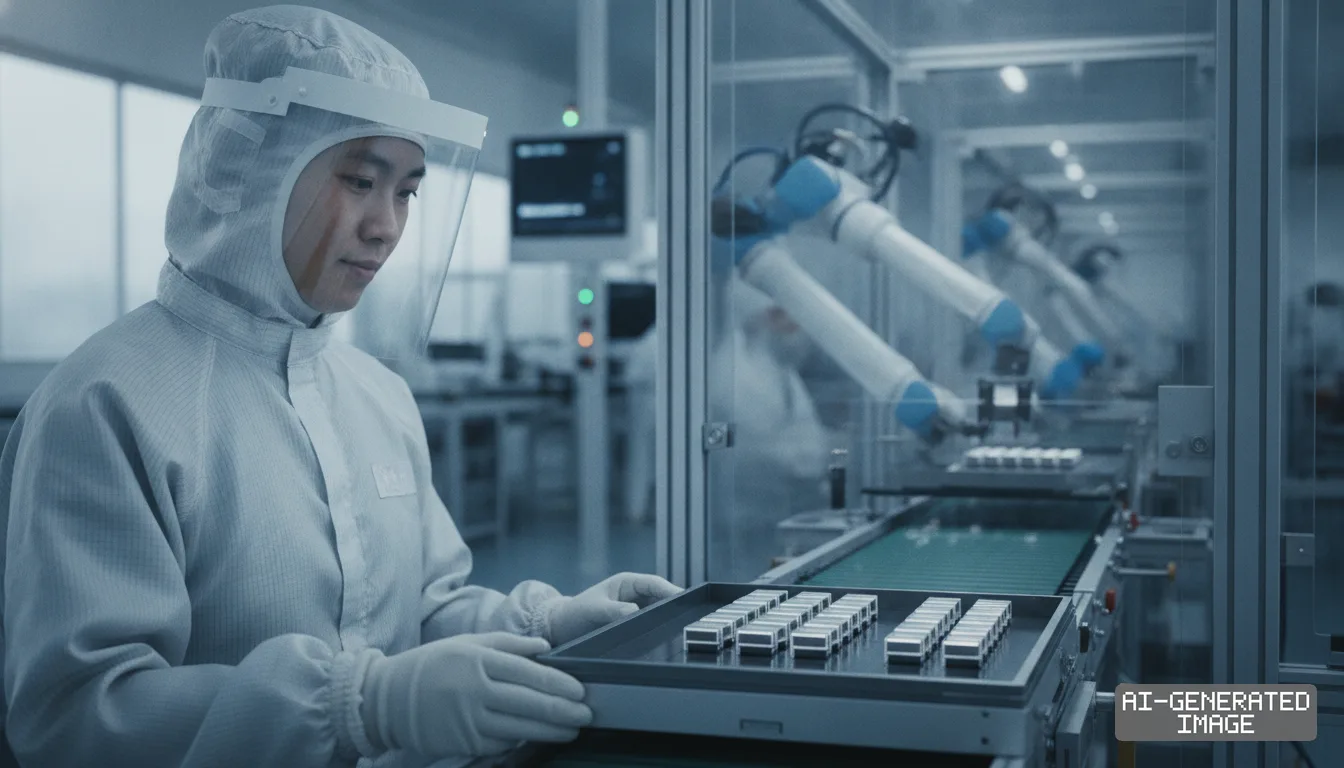
Ulsan technicians handle roughly 80% of the manufacturing process, stamping and inspecting aluminum sheets into intermediate assemblies. The domestic plant exports its entire intermediate output directly to the United States.
Final assembly takes place at SH America, the company's operating subsidiary in Allen County, Indiana. The Indiana facility finishes the assemblies and delivers them directly to Samsung SDI's adjacent manufacturing lines.
That direct link connects Shinheung SEC to Samsung SDI's StarPlus Energy joint venture in Indiana. The battery maker has repurposed local production lines toward energy storage cells to serve North American grid operators.
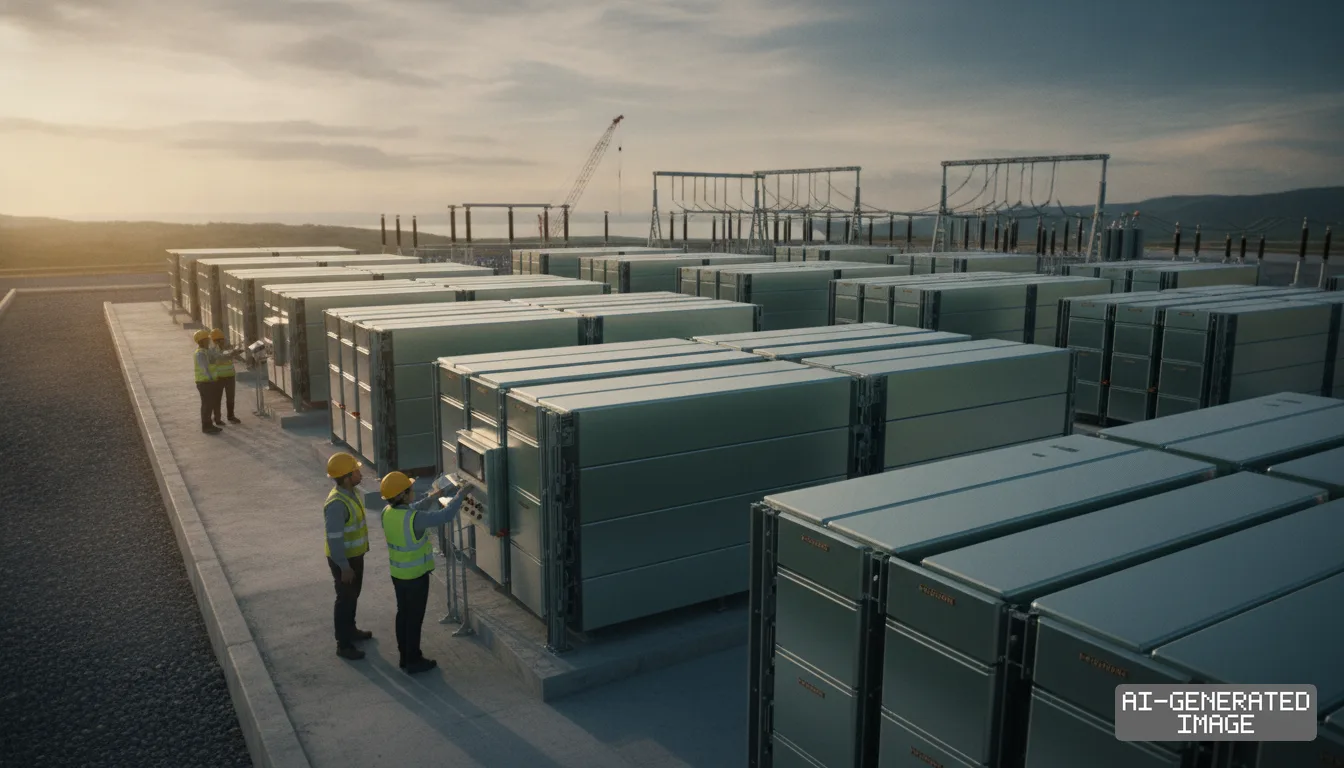
The American storage market has expanded rapidly as utilities install large batteries to support artificial intelligence data centers. Power developers favor prismatic enclosures for grid installations because rigid metal casings offer structural stability and thermal dissipation.
Samsung SDI signed a contract on Oct. 26 to supply 1 gigawatt-hour of storage hardware to American developer Alpha Omega Power. The agreement expanded an earlier deal to 1.5 gigawatt-hours for a utility project in Texas.
The project uses the Samsung Battery Box 1.7, an integrated container system utilizing prismatic nickel-cobalt-aluminum cells. Those cells rely on the cap assemblies assembled at Shinheung SEC's Indiana hub.
The structural shift toward storage systems has transformed the earnings of the American subsidiary. The North American unit booked 25.4 billion won in revenue for all of 2025.
First-half 2026 revenue at the North American subsidiary reached 32 billion won, exceeding its entire prior-year total. Company executives expect full-year American sales to reach 70 billion won in 2026.
Internal company projections show North American subsidiary revenue crossing 100 billion won in 2027. That target would represent a fourfold expansion over the unit's 2025 performance.
Automated lines in Ulsan feed this expansion through a six-stage washing and drying line that removes machining lubricants. The company designs and cuts its own custom stamping dies to match Samsung SDI's proprietary cell dimensions.
Shinheung SEC has structured its cross-border logistics so that domestic press lines operate in tandem with Indiana final assembly. This approach shields capital-intensive tooling from foreign construction delays while satisfying North American procurement rules.
The company must file its third-quarter financial report for the period ended Sept. 30 with the Financial Supervisory Service by Nov. 14, 2026.
Shinheung SEC has not published a Korea Exchange filing disclosing the specific contract value or delivery schedule tied to Samsung SDI's newest Texas storage supply agreement.
Sources
Primary documents
Reporting
The documents behind this briefing are linked above. East Asia Brief produces its English text with AI assistance under human editorial review, and does not translate or republish other outlets' articles. See our methodology and AI policy. Spotted an error? Tell us.
The Morning Brief
What changed in Korean, Chinese and Japanese industry overnight — and what it means for your supply chain. One email, weekday mornings, US time. Free.
The Morning Brief is in preparation. Leave your address and we will write to you once — when the first issue is ready. Nothing before that.