Samsung SDI targets 2027 to produce cylindrical LFP for AI server units
The South Korean cell maker is converting lines at its Malaysian plant to deliver lithium iron phosphate backup power for hyperscale data centers.
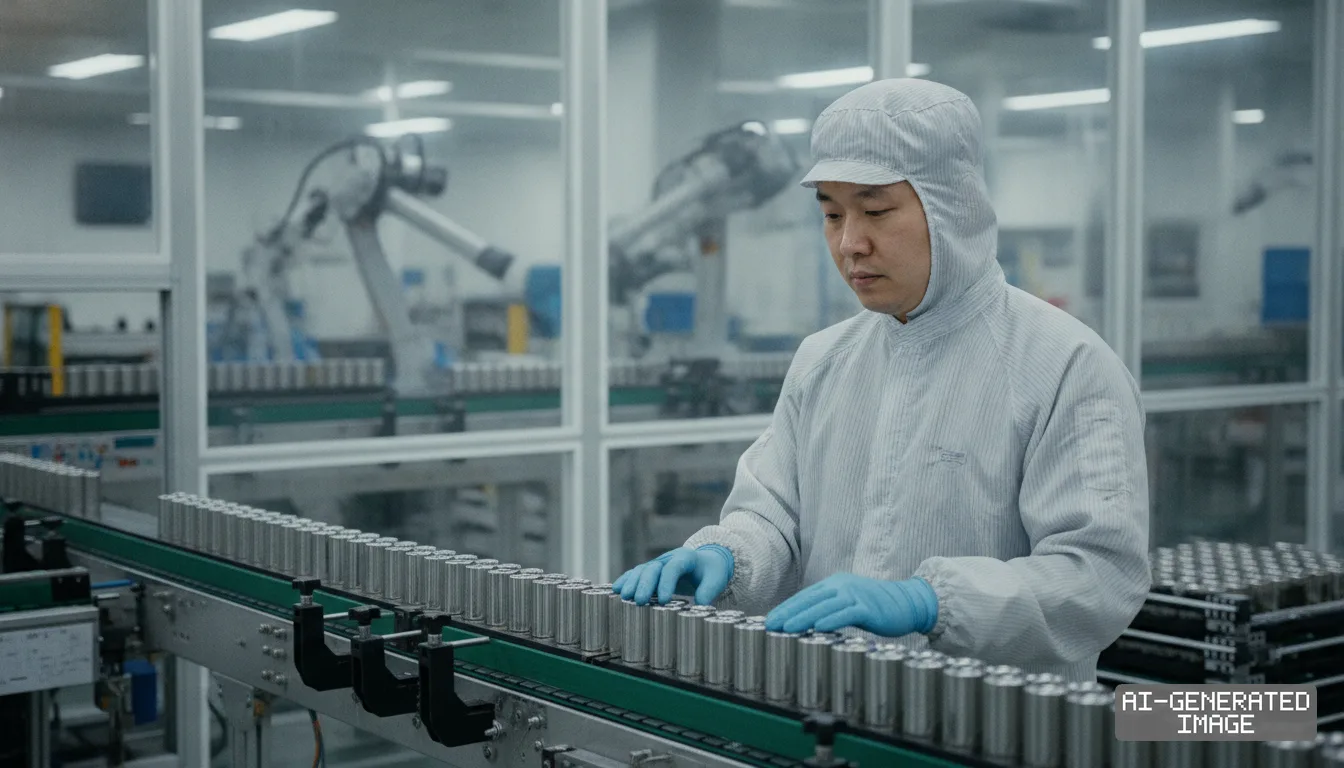
Samsung SDI finalized plans on Oct. 15 to mass-produce cylindrical lithium iron phosphate batteries for artificial intelligence server backup units by mid-2027, adding low-cost chemistry to its power lineup.
The shift marks the first commercial deployment of cylindrical lithium iron phosphate, known as LFP, in data center backup power by a South Korean cell manufacturer.
Samsung SDI expects revenue from its battery backup unit business to grow more than 70% in 2026 as power demands at computing facilities expand.
The company operates its primary overseas cylindrical manufacturing base at Seremban Plant 2 in Malaysia, where it invested 1.7 trillion won ($1.2 billion) since 2022.
Equipment installation began this month at the Malaysian plant to produce LFP cathode plates, according to manufacturing schedules shared with industry partners on Oct. 15.
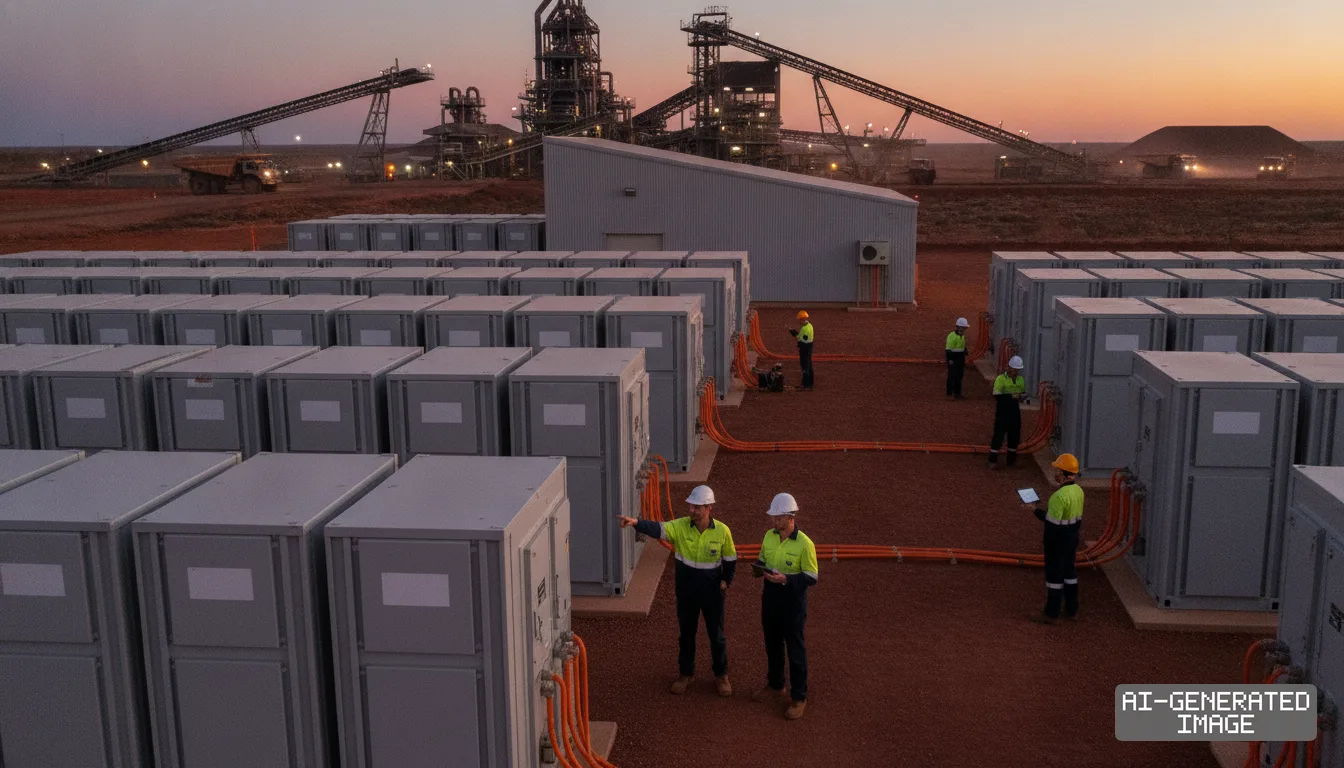
The production line will supply server racks with battery backup units, known as BBUs, which maintain voltage to graphic processors during sudden grid fluctuations.
Data centers running artificial intelligence workloads require instantaneous emergency power because high-density accelerator clusters create abrupt current spikes that standard uninterruptible power systems cannot buffer alone.
Until now, South Korean manufacturers relied almost exclusively on high-nickel ternary chemistries using nickel, cobalt and manganese to supply power-dense cells for backup units.
While ternary chemistries provide higher energy density, they cost significantly more than iron-based alternatives and carry higher thermal runaway risks when packed tightly inside server cabinets.
Samsung SDI unveiled the underlying cylindrical LFP design at the Data Centre World Asia exhibition in Singapore on Sept. 29, showing a cell with proprietary internal structures.
The company then outlined a two-track strategy on Oct. 6, allocating prismatic LFP formats to utility energy storage containers and cylindrical LFP cells to server-level backup drawers.
Under the conversion plan, Samsung SDI is installing dedicated raw-material mixers and storage tanks at the Seremban plant to eliminate cross-contamination between nickel and iron chemistries.
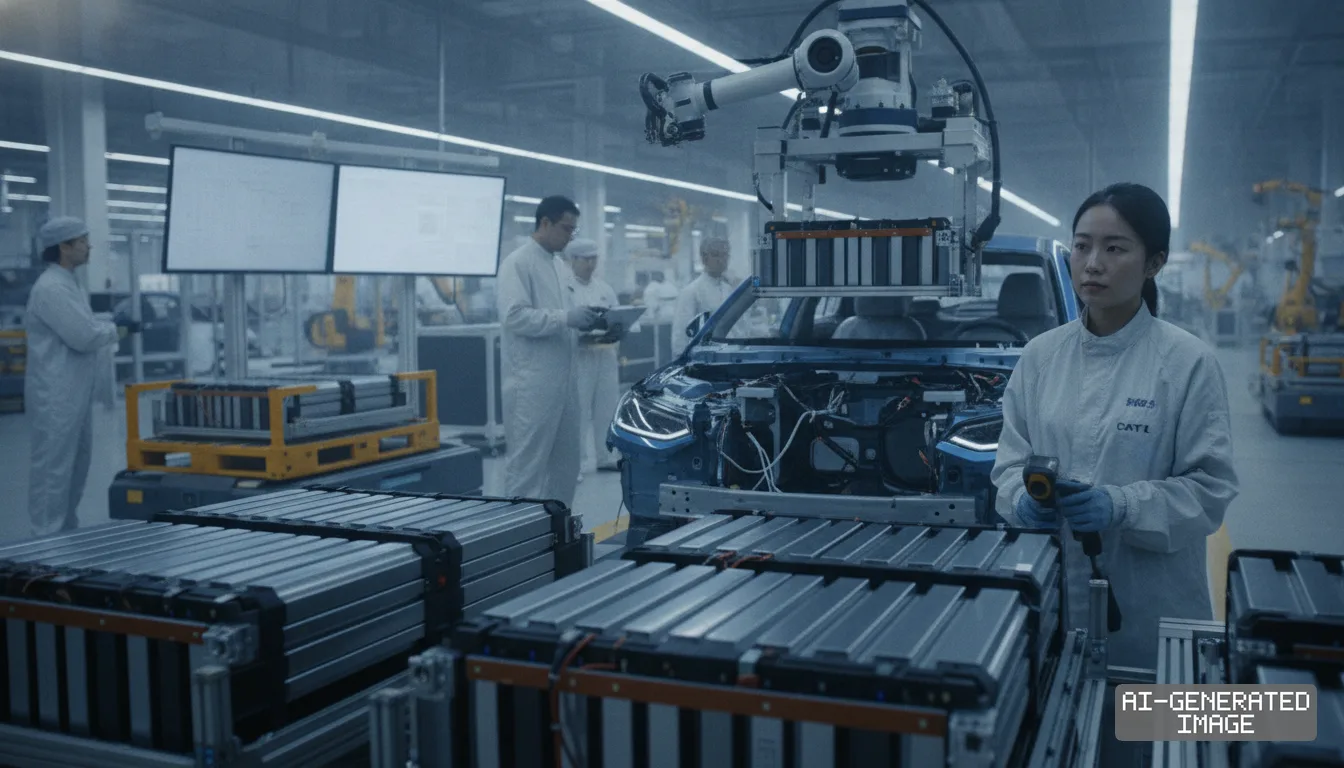
The plant will route the mixed cathode slurry onto thin aluminum collector foils before using existing cell assembly lines to roll, can and seal the units.
Reusing existing cylindrical casing and terminal assembly equipment allows the company to minimize capital outlays while shortening qualification lead times for global cloud server vendors.
Battery backup units sit directly inside the server cabinet, delivering direct-current electricity across the busbar within milliseconds if main utility feeds drop.
A single artificial intelligence server cluster draws between 40 and 100 kilowatts per rack, roughly four times the electrical load of traditional enterprise cloud racks.
Hyperscale operators, including Microsoft, Alphabet and Amazon Web Services, have pushed server suppliers to substitute lead-acid and ternary systems with fire-resistant LFP cells.
Chinese cell makers such as Contemporary Amperex Technology and BYD currently dominate global LFP supply, controlling over 80% of world refining and cell processing capacity.
South Korean battery firms have struggled to match Chinese pricing in electric vehicles, prompting Samsung SDI to target specialized industrial niches where mechanical reliability justifies a premium.
Samsung SDI equips its server-grade cylindrical cells with directional bottom venting, preventing hot exhaust gas from triggering adjacent cell failures inside server drawers.
The company has not published the capital expenditure figure for the line modification, and corporate filings do not disclose the names of the hyperscale cloud operators testing qualification batches.
Pilot testing of the coated electrode rolls will run through the first quarter of 2027 ahead of targeted commercial volume shipments in June 2027.
Impact map
How this development propagates across the region and out to global buyers.
| Event | Korea | China | Japan | Global impact |
|---|---|---|---|---|
| Cylindrical LFP BBU adoption | Samsung SDI enters BBU LFP market, leveraging 1.7 trillion won Malaysia hub | CATL and BYD face first South Korean cylindrical LFP challenge in server power | Component suppliers to cylindrical formats see order stability as lines convert | AI server operators gain non-Chinese source for fire-resistant rack backup cells |
In this story
- Companies
- Samsung SDI
- Tickers
- 006400.KS
- Exposed
- Contemporary Amperex TechnologyBYD
- Policy
- Standards
- Impact
- CapexSupply ChainPricing
Related briefings
- HD Hyundai delivers world’s first lashing-free boxship to CMA CGM Also on Standards
- CATL Surpasses Korean Battery Trio in Markets Outside China Also on BYD, Contemporary Amperex Technology, Samsung SDI
- BYD targets 2027 solid-state battery debut in luxury fleet Also on BYD, Contemporary Amperex Technology, Samsung SDI
- CATL targets 2027 pilot output for all-solid-state batteries Also on BYD, Contemporary Amperex Technology, Samsung SDI
Sources
Reporting
Confidence: medium — how we grade this
The documents behind this briefing are linked above. East Asia Brief produces its English text with AI assistance under human editorial review, and does not translate or republish other outlets' articles. See our methodology and AI policy. Spotted an error? Tell us.
The Morning Brief
What changed in Korean, Chinese and Japanese industry overnight — and what it means for your supply chain. One email, weekday mornings, US time. Free.
The Morning Brief is in preparation. Leave your address and we will write to you once — when the first issue is ready. Nothing before that.