Korean battery makers scale anode-less cell pilots as suppliers adapt coatings
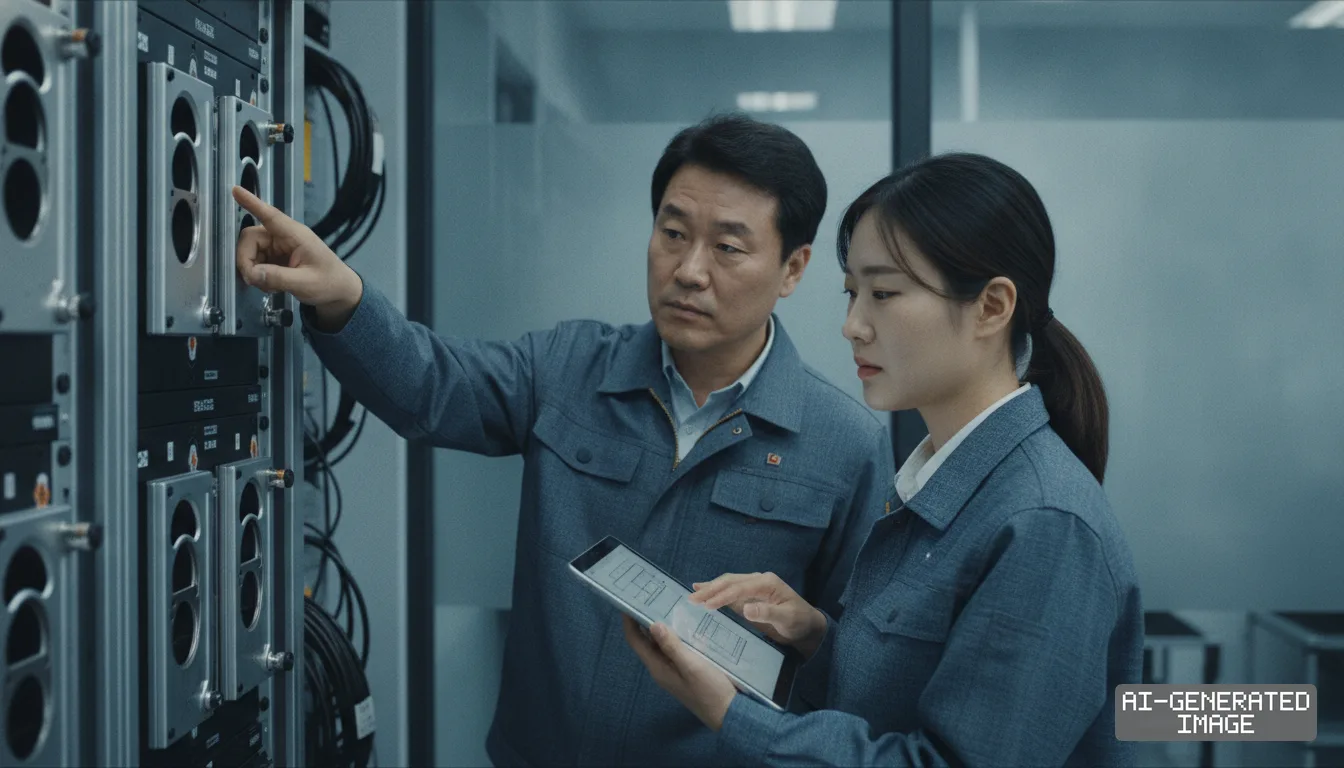
South Korean cell manufacturers and chemical suppliers are advancing anode-less lithium-metal pilot lines, reshaping material supply chains for protective coatings and functional electrolytes.
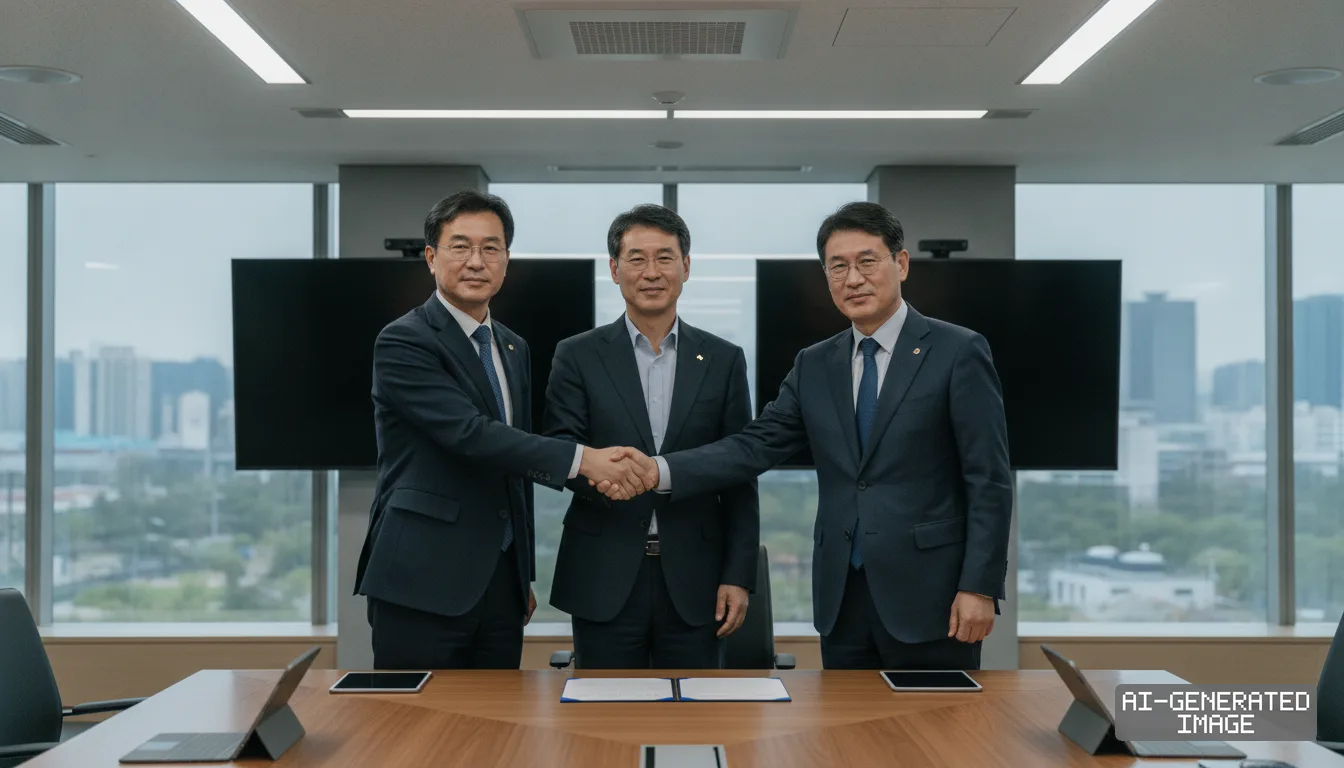
POSCO Future M signed an agreement on March 25, 2026, with Kumho Petrochemical and battery maker BEI to jointly develop anode-free lithium-metal battery cells.
The tripartite agreement marks the latest expansion of South Korea's next-generation cell ecosystem, which is moving from laboratory chemistry to specialized pilot lines.
Anode-free architectures eliminate traditional graphite or silicon anode host structures entirely. Lithium ions moving from the cathode during the initial charge plate directly as metallic lithium onto a bare current collector.
This design reduces cell weight and volume by removing bulky anode active materials. The architecture delivers gravimetric energy densities between 30% and 50% higher than conventional lithium-ion batteries.
For procurement executives at commercial vehicle manufacturers and specialty mobility developers, the technology alters cell weight economics. Eliminating the anode host structure frees internal volume for extra cathode material or reduces total pack mass.
Commercial deployment still faces critical material barriers before reaching heavy vehicles. Uneven lithium plating during fast charging generates dendrites that pierce separators, leading to internal short circuits and premature capacity fade.
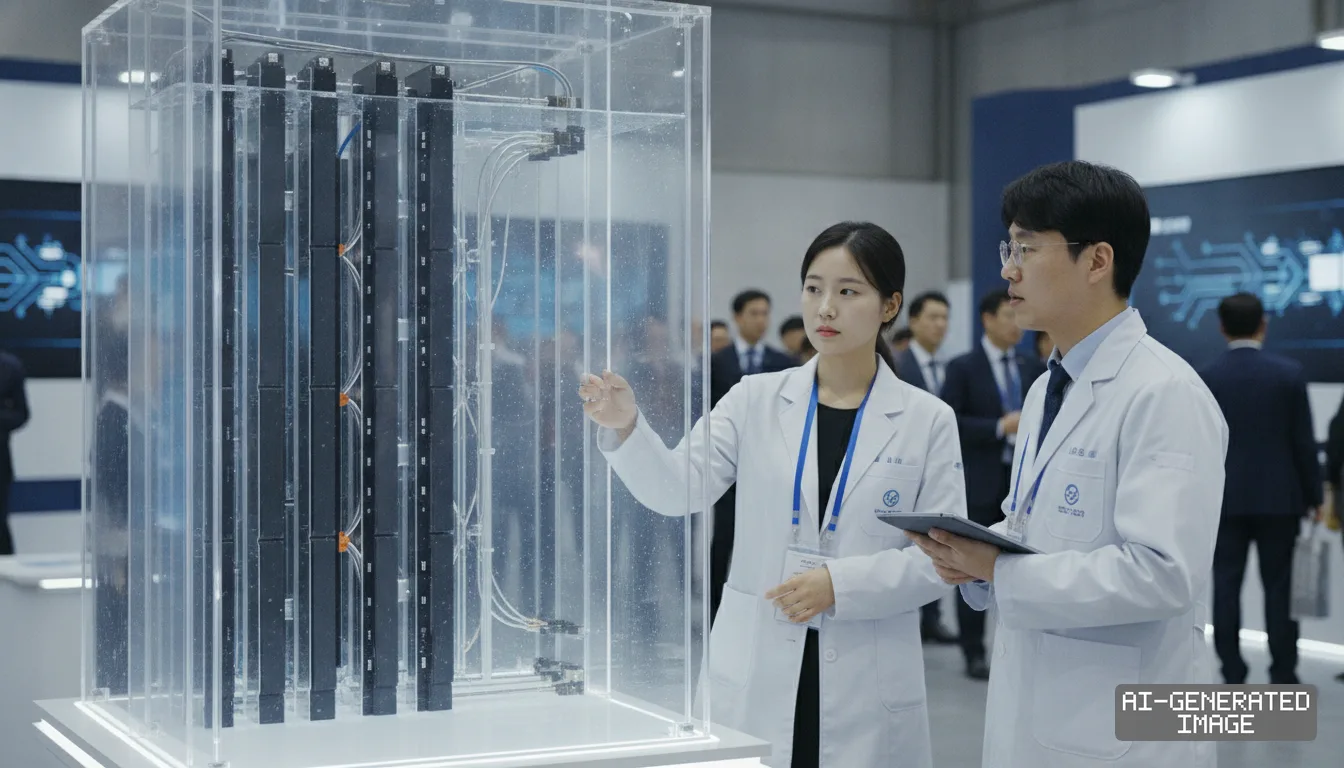
To overcome these failure modes, Korean cell makers and specialty chemical suppliers are developing specialized interface coatings and tailored electrolyte formulations.
Samsung SDI completed its 6,500-square-meter all-solid-state battery pilot line, named S-line, at its research center in Suwon, South Korea, in early 2023.
The S-line applies proprietary solid electrolytes and a silver-carbon nanocomposite protective layer on the negative current collector. The silver-carbon layer regulates lithium deposition and suppresses dendrite growth without requiring a pre-formed lithium foil.
Samsung SDI aims to deliver an energy density of 900 watt-hours per liter from its anode-less design. The company has shipped evaluation samples to global automakers and targets commercial mass production in 2027.
SK On completed a 4,628-square-meter pilot plant for next-generation solid-state and lithium-metal batteries in Daejeon on Sept. 15, 2025.
The Daejeon facility focuses on sulfide-based all-solid-state systems and dedicated lithium-metal lines. SK On aims to reach energy densities between 800 and 1,000 watt-hours per liter, targeting commercial production by 2029.
SK On has applied modified isostatic pressing methods to improve contact between solid electrolytes and lithium-metal layers without compromising automated assembly speed.
The March 25 partnership between POSCO Future M, Kumho Petrochemical and BEI targets liquid- and semi-solid anode-free lithium-metal pouch cells.
POSCO Future M supplies high-nickel cathode materials tailored for uniform lithium ion extraction. Kumho Petrochemical provides functional carbon nanotubes that improve electronic conductivity and stabilize the stripping interface.
BEI operates pilot lines producing prototype cells rated at up to 500 watt-hours per kilogram. The company focuses initial commercialization on high-payload drones, urban air mobility and specialty transport platforms.
The transition to anode-free designs reshapes the upstream battery supply chain. Manufacturers of natural and synthetic graphite face a structural shift if anode-free cells commercialize at scale.
Conversely, demand is rising for ultra-thin protective interfacial films and functional liquid electrolyte additives. Suppliers are formulating specialized electrolytes using fluoroethylene carbonate, lithium difluoro(oxalato)borate and fluorinated ethers.
These chemical additives decompose selectively during the initial charging cycle. They create a robust, fluorinated solid electrolyte interphase that protects the plated lithium from parasitic electrolyte reactions.
Current collectors are also undergoing redesign. Standard copper foil is being replaced with surface-modified current collectors coated with lithiophilic metals, including gold, zinc and carbon nanocomposites.
These ultra-thin seed layers lower the nucleation overpotential of lithium. They ensure that metallic lithium plates in flat, dense sheets rather than porous, mossy structures.
Despite pilot progress, Korean battery manufacturers have not established pilot lines dedicated exclusively to heavy commercial trucks.
Public filings and ministry disclosures show that heavy freight trucks and municipal buses continue to rely on long-cycle lithium iron phosphate and mid-nickel pouch cells.
Standard commercial vehicle duty cycles require more than 3,000 to 5,000 full charge-discharge cycles over an operational lifespan of eight to 10 years.
Current anode-free lithium-metal cells achieve between 300 and 800 stable cycles in pilot testing before irreversible lithium loss degrades usable capacity.
Because anode-free cells contain no excess lithium reservoir, every side reaction that consumes active lithium directly reduces remaining battery capacity.
Korean manufacturers are targeting premium passenger electric vehicles, defense equipment, aerospace drones and delivery robotics for initial commercialization between 2027 and 2029.
Heavy-duty commercial fleets represent a secondary target market once interfacial coatings achieve the coulombic efficiencies exceeding 99.8% required for industrial durability.
The Ministry of Trade, Industry and Energy continues to allocate national research funding to next-generation lithium-metal interfacial engineering and solid electrolyte scaling.
Samsung SDI and SK On are testing pre-production sample batches with global vehicle manufacturers at their respective Suwon and Daejeon facilities.
Impact map
How this development propagates across the region and out to global buyers.
| Event | Korea | China | Japan | Global impact |
|---|---|---|---|---|
| Anode-less cell pilot commercialization | pilot lines scaling at Suwon and Daejeon | graphite anode exporters face long-term volume risk | functional coating and separator suppliers gain demand | specialty mobility and commercial EV payload ranges expand |
In this story
- Companies
- Samsung SDISK OnPOSCO Future MKumho PetrochemicalBEI
- Tickers
- 006400.KS003670.KS011780.KS
- Exposed
- Solid PowerLG Energy Solution
- Policy
- SubsidiesEconomic Security
- Impact
- Supply ChainCapexCost Structure
Track every Subsidies development → Track every Economic Security development →
Related briefings
- Korea Precursor Makers Ramp Sulfide Battery Materials for 2027 Pilot Lines Also on Solid Power, Samsung SDI
- Korean cathode makers retool production lines for LMFP chemistry as price war spreads Also on POSCO Future M, SK on, Samsung SDI
- South Korea Expands Advanced Battery Tax Credits to Rebalance Domestic Fabs Also on POSCO Future M, SK On, Samsung SDI
- KFTC opens supply contract probe into tier-one robotics and battery parts Also on POSCO Future M, SK On, Samsung SDI
Sources
Reporting
Confidence: medium — how we grade this
The documents behind this briefing are linked above. East Asia Brief produces its English text with AI assistance under human editorial review, and does not translate or republish other outlets' articles. See our methodology and AI policy. Spotted an error? Tell us.