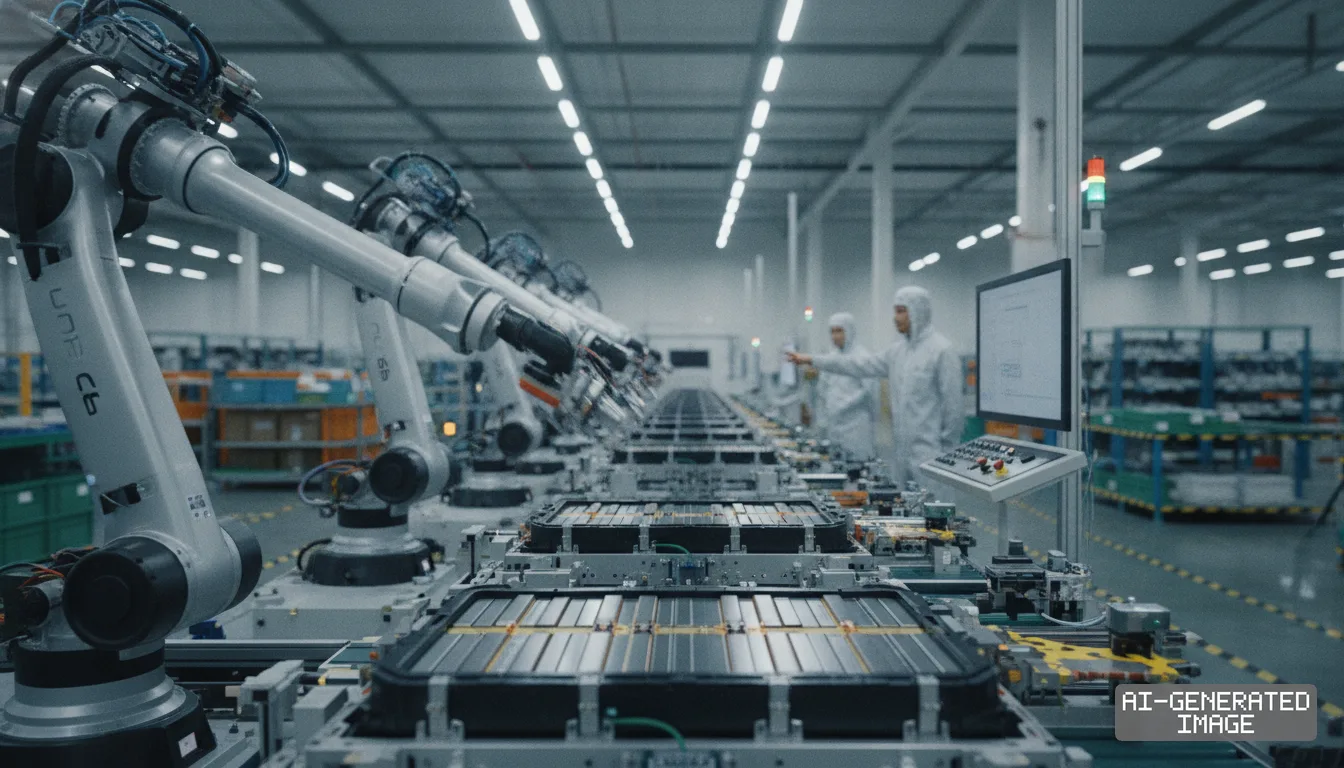
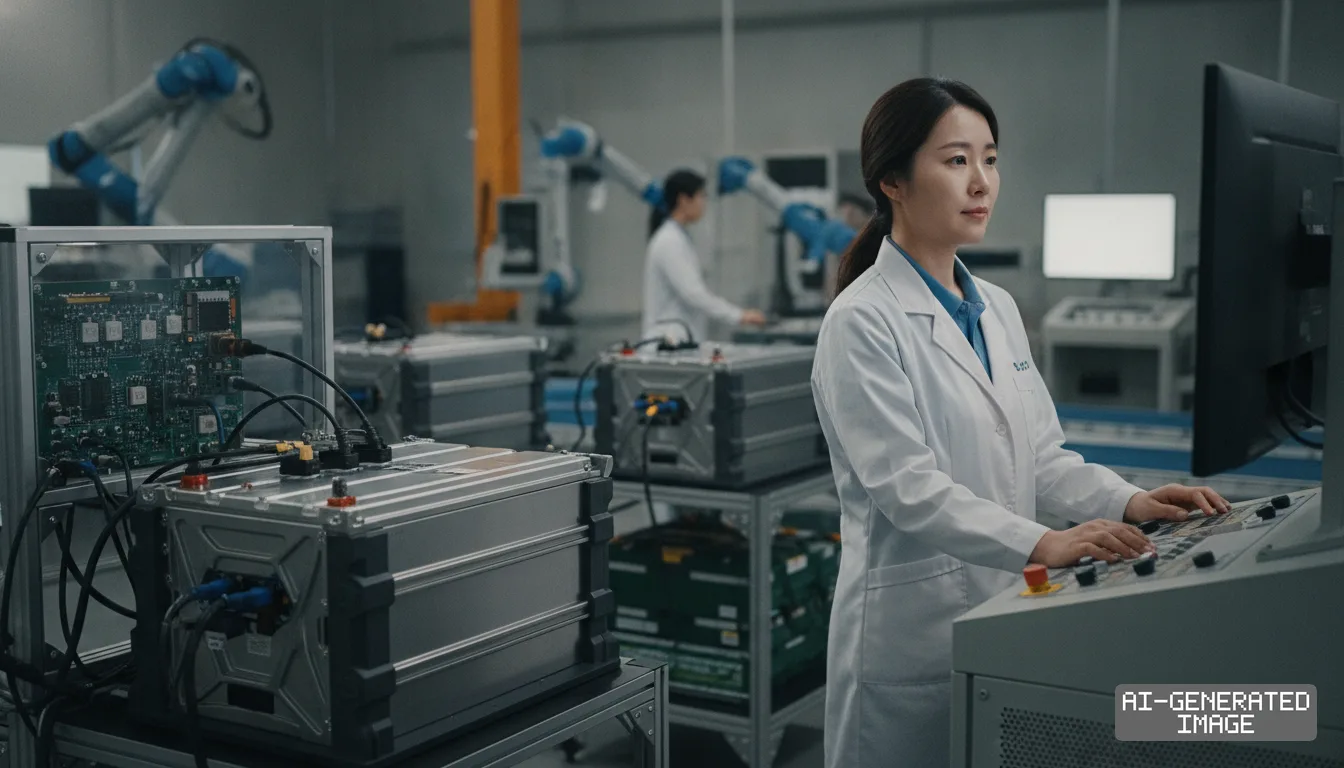
Hoegh Autoliners picks BYD batteries for ammonia-fueled ship
The agreement signed at COP31 installs containerized storage systems on the 9,200 CEU Aurora No. 12 ahead of its May 2028 delivery.
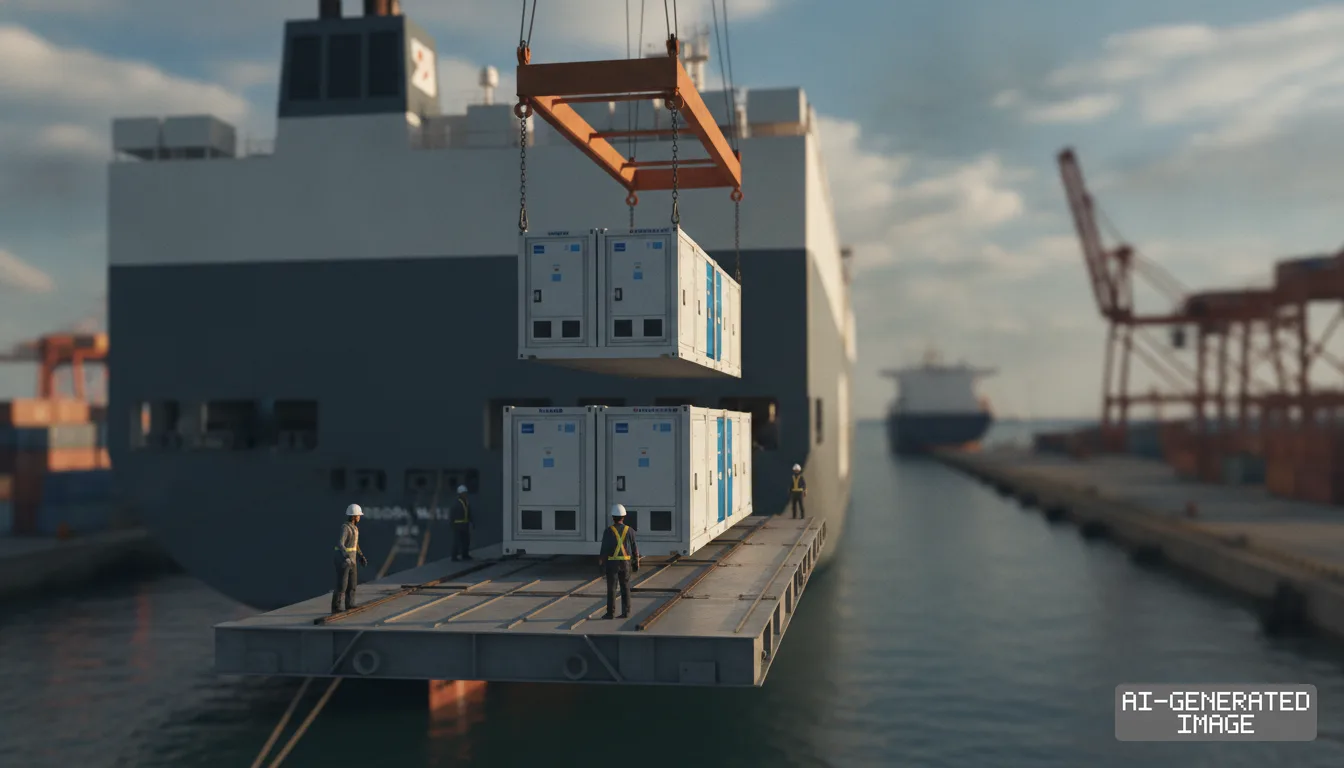
Höegh Autoliners agreed on Nov. 9, 2026, to equip its upcoming ammonia-powered vessel Aurora No. 12 with containerized battery energy storage systems supplied by Chinese manufacturer BYD.
The agreement was signed during the COP31 climate conference in Antalya, Turkey. It covers the final vessel in the Norwegian shipping line's 12-ship Aurora-class newbuilding program.
Aurora No. 12 carries a cargo capacity of 9,200 car equivalent units (CEU). The vessel is under construction at China Merchants Heavy Industry (Jiangsu), with delivery scheduled for May 2028.
The carrier is designed to sail on clean ammonia from the day it leaves the shipyard. Ammonia fuel generates zero carbon dioxide emissions during combustion in the ship's two-stroke main engine.
The vessel will combine four distinct energy systems on a single deep-sea platform: an ammonia engine, BYD containerized battery storage, deck-mounted solar panels and a propeller shaft generator.
Höegh Autoliners said the integrated configuration will reduce annual greenhouse gas emissions by approximately 1,000 metric tons of carbon dioxide equivalent by optimizing onboard electrical power management.
Peak shaving allows the battery packs to absorb surplus electricity from the shaft generator and solar arrays. The stored power handles variable auxiliary electrical loads without altering main engine output.
Smoothing electricity demand helps lower the consumption of green ammonia fuel. Green ammonia carries high production costs compared with conventional marine bunker oil and liquefied natural gas.
The installation marks BYD's first marine battery supply contract for a commercial merchant vessel operated by an independent third-party shipping company. The transaction extends BYD's battery footprint into heavy maritime infrastructure.
BYD operates purpose-built car carriers, including BYD Explorer No. 1 and BYD Hefei, to export its electric passenger cars overseas. Those vessels entered commercial service under charter and ownership between 2024 and 2025.
Supplying third-party deep-sea vessels opens a direct commercial channel for BYD's containerized energy storage units. Deep-sea merchant fleets have historically sourced marine electrical systems from European equipment vendors.
Chinese cell manufacturers have targeted maritime transport to diversify battery sales beyond passenger electric vehicles. Deep-sea maritime standards require specialized thermal containment, vibration resistance and marine classification approvals.
Vehicle carriers require substantial auxiliary electricity to operate continuous hold ventilation fans, movable car ramps and deck lighting. Batteries supply that power at berth without running auxiliary combustion engines.
Zero-emission operations inside ports allow vessel operators to satisfy European Union emissions monitoring rules and port pollution caps. Scandinavian vessel owners have led adoption of hybrid battery systems across RoRo fleets.
The Aurora-class series forms the centerpiece of Höegh Autoliners' long-term fleet renewal program. The Oslo-listed carrier contracted the 12-vessel series at China Merchants Heavy Industry between 2022 and 2024.
The shipyard delivered the first vessel in the program, Höegh Aurora, in 2024. Earlier sister vessels in the series entered service with dual-fuel liquefied natural gas engines designed for subsequent ammonia retrofits.
Aurora No. 12 represents the culmination of that building program by installing full ammonia fuel systems during primary shipyard construction. The vessel requires no subsequent shipyard retrofit to burn ammonia.
“Shipping can take the lead in the green transition,” Andreas Enger, chief executive officer of Höegh Autoliners, said. “We are combining every green technology available on one vessel capable of running on ammonia from day one.”
“We want to push ourselves technologically and learn what green technology can achieve when it is combined at its best,” Sebjørn Dahl, chief operating officer of Höegh Autoliners, said regarding the battery integration.
BYD said the deployment demonstrates the operating durability of its containerized lithium iron phosphate battery packs during transoceanic voyages subject to heavy wave motion and marine salinity.
The commercial terms of the transaction remain confidential. The official notices do not disclose the total storage capacity of the battery installation in megawatt-hours or the contractual purchase price.
Höegh Autoliners has not filed a separate disclosure detailing the battery equipment costs or supplier milestones on the Oslo Stock Exchange's NewsWeb regulatory portal.
China Merchants Heavy Industry plans to conduct equipment installation and sea trials in late 2027 before delivering Aurora No. 12 to Höegh Autoliners in May 2028.
Impact map
How this development propagates across the region and out to global buyers.
| Event | Korea | China | Japan | Global impact |
|---|---|---|---|---|
| Marine battery supply agreement | Korean battery makers face Chinese cell competition in specialized maritime ESS sectors | BYD secures its first third-party commercial marine ESS export on an oceangoing vessel | Japanese car carrier lines assess hybrid battery-fuel efficiency standards on European routes | Deep-sea automotive supply chain cuts port emissions through hybrid zero-emission berthing |
In this story
- Companies
- Höegh AutolinersBYD
- Tickers
- HAUTO.OL002594.SZ
- Exposed
- China Merchants Heavy Industry
- Impact
- Supply ChainOrder Book
Related briefings
- BYD targets UK coach market to sidestep European car tariffs Also on BYD, Order Book
- BYD builds 150,000th commercial EV as 800-hp Q3 truck rolls out Also on BYD, Order Book
- BYD Moves Yangwang Flagship EV Debut Abroad With UAE Rollout Also on BYD, Order Book
- BYD lifts overseas EV battery volume 66.5% to take 11% share Also on BYD, Order Book
Sources
Reporting
Confidence: medium — how we grade this
The documents behind this briefing are linked above. East Asia Brief produces its English text with AI assistance under human editorial review, and does not translate or republish other outlets' articles. See our methodology and AI policy. Spotted an error? Tell us.
The Morning Brief
What changed in Korean, Chinese and Japanese industry overnight — and what it means for your supply chain. One email, weekday mornings, US time. Free.
The Morning Brief is in preparation. Leave your address and we will write to you once — when the first issue is ready. Nothing before that.