HD Hyundai Heavy upgrades dock safety with 17 billion won plan
The South Korean shipbuilder expanded communications and vision sensors to prevent fatal accidents that trigger mandatory stop-work orders across its full gas-carrier construction docks.
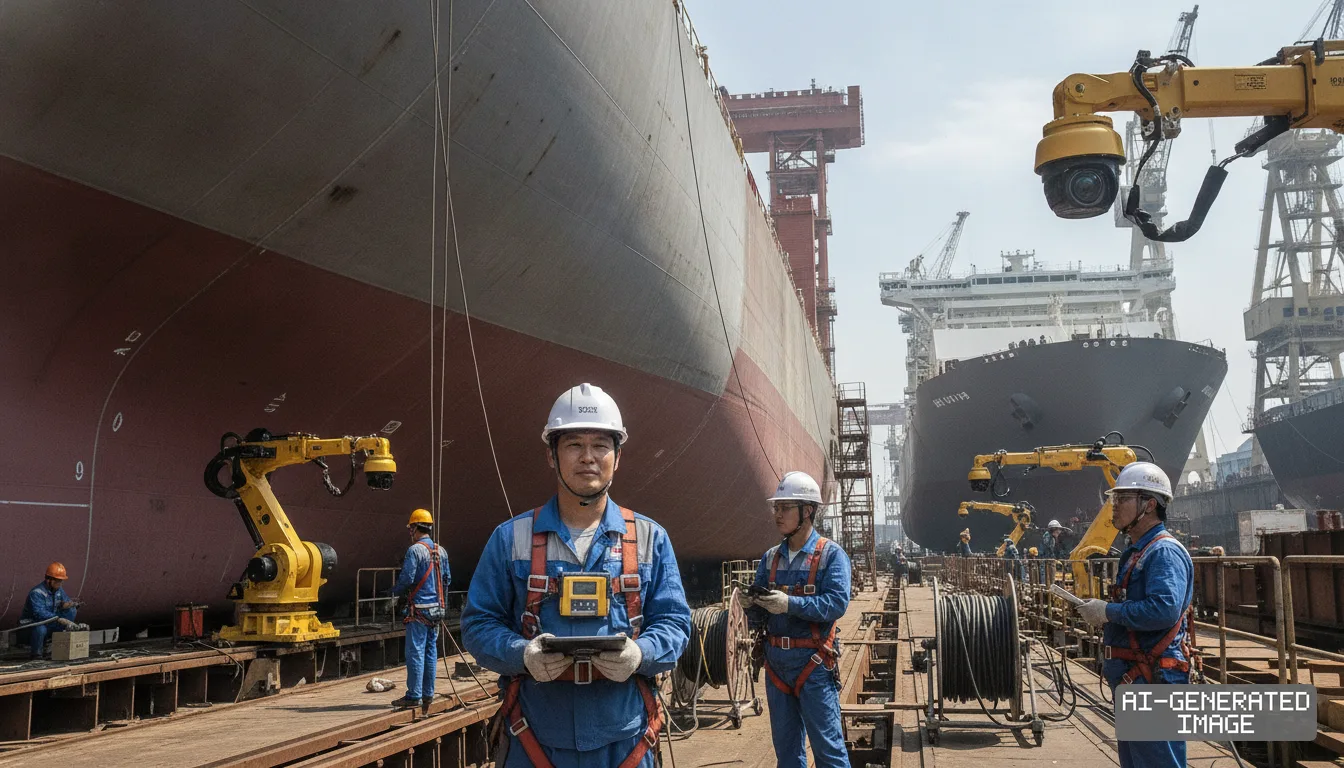
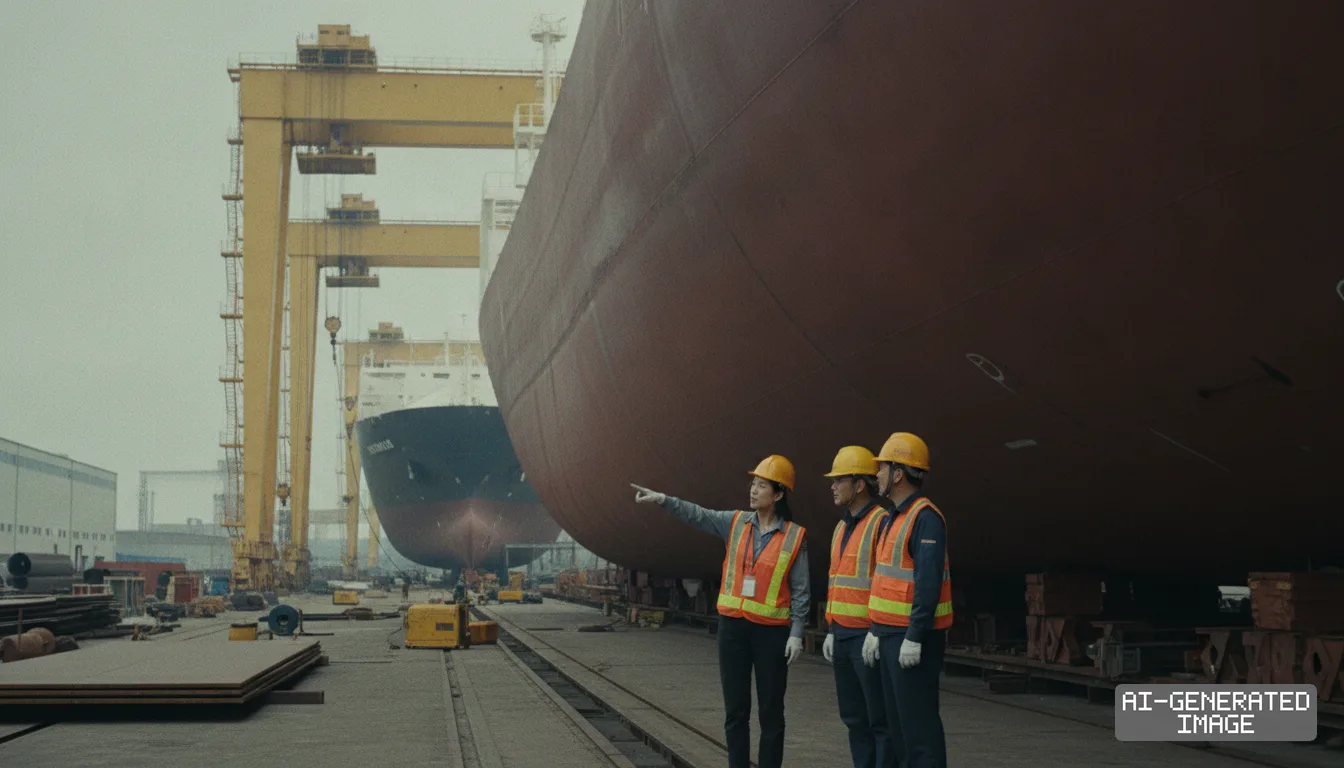
HD Hyundai Heavy Industries allocated an additional 17 billion won ($12.6 million) on Oct. 9, 2026, to deploy automated safety systems across its Ulsan shipyard.
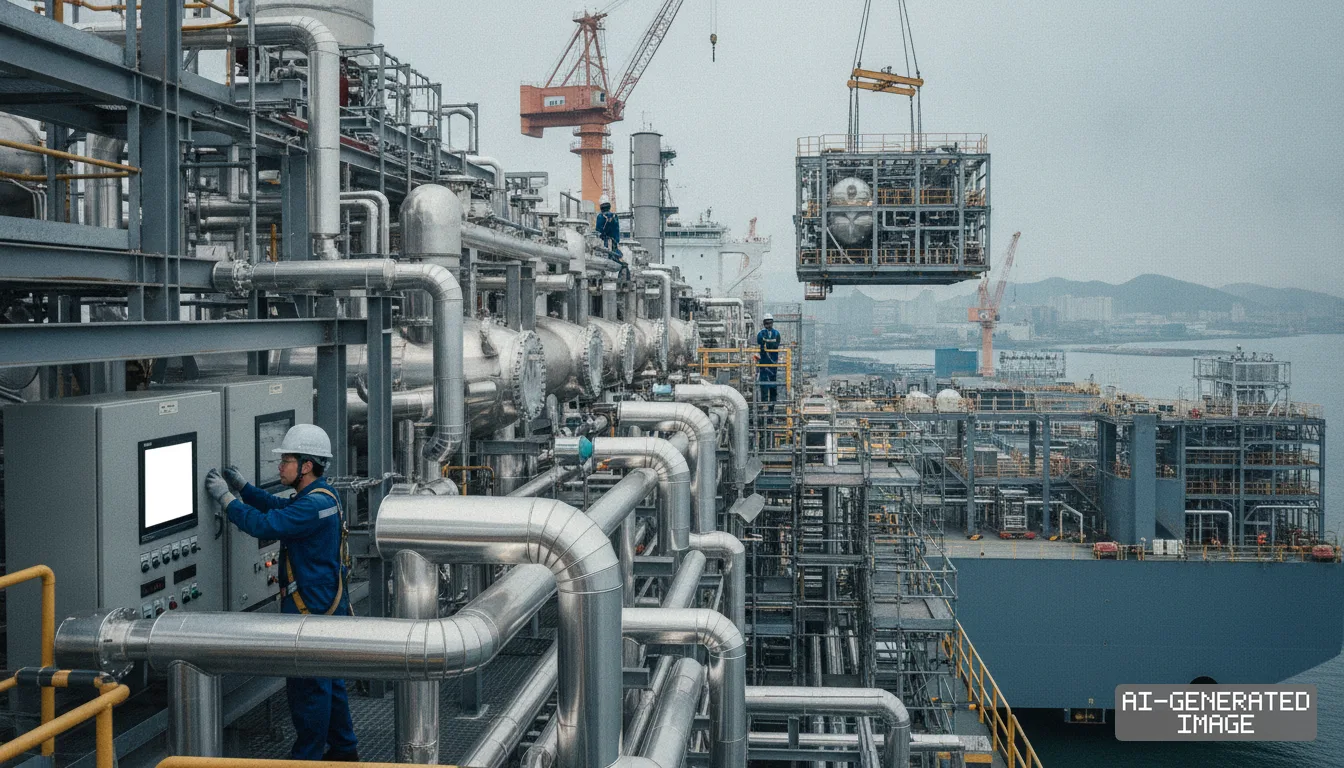
The capital outlay executes part of the company's occupational safety roadmap running through 2030. The funds cover communications infrastructure, computer-vision detectors and personal monitoring gear inside drydocks and confined hull compartments.
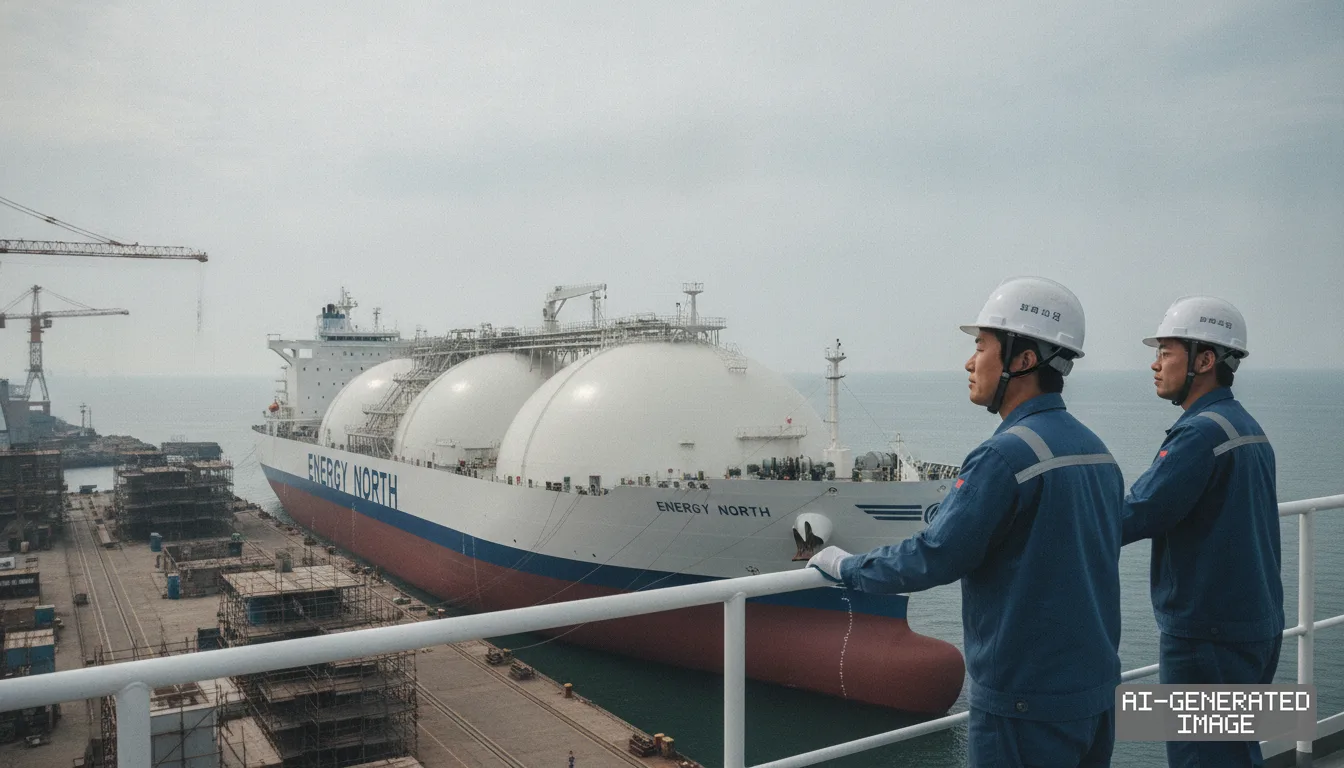
South Korean shipyards face statutory stop-work orders under the Serious Accidents Punishment Act whenever a fatal disaster occurs. Operational halts risk delaying delivery schedules for high-margin liquefied natural gas carriers, which carry daily liquidated damages for late arrival.
HD Hyundai Heavy Industries will expand metal surface wave communications inside vessel blocks. The radio technology propagates signals along steel bulkheads to eliminate reception dead zones in enclosed ship spaces.
The network links hull compartments directly to emergency alarm sirens. The integration ensures that workers receive instant evacuation alerts without relying on traditional radio repeaters.
The shipbuilder also plans to install optical vision sensors in designated hazardous fabrication areas. The optical devices detect physical hazards in real time to shift dock supervision toward automated detection.
Management will begin installing the optical sensors once consultations with shipyard labor representatives conclude. Worker privacy and surveillance limits remain the central topics of discussion in those talks.
HD Hyundai Heavy Industries issued wearable body cameras to isolated workers and safety inspectors. The mobile cameras document blind spots and provide cross-verification during dangerous operations.
The technological rollout follows structural changes to the company's internal safety administration. The group formally instituted a safe work accountability system on Sept. 14, 2026.
The system assigns named supervisors to oversee high-risk activities as well as routine assembly jobs. The operational rules divide administrative responsibility by risk category rather than general yard department.
HD Hyundai Heavy Industries created an independent Safety and Technology Department under its Safety Management Office. The dedicated unit focuses on improving fabrication engineering methods and conducting field engineering audits.
The organizational shift comes after multiple workplace fatalities hit the company's production sites earlier this year. A worker died during a submarine repair fire in April, followed by a fatal fall from a crane in July.
Government safety inspectors frequently suspend dock operations following fatal industrial mishaps. Under South Korean regulatory enforcement, statutory administrative halts can freeze yard work for several weeks while inspectors review site controls.
HD Hyundai Heavy Industries operates order books filled through 2028, dominated by high-value LNG tankers and container vessels. Dock delays disrupt tightly orchestrated block assembly schedules, forcing shipbuilders to pay heavy contractual penalties.
Automated hazard detection reduces human error as yards integrate growing numbers of foreign subcontract laborers. The shipbuilder deployed artificial intelligence translation and multilingual training tools to improve compliance among non-Korean crews.
The shipbuilder formed a Field Operability Review Committee to evaluate whether past safety protocols actually function on the ground. The review committee operates through December 2026.
The committee will audit preventive measures implemented across the yard over the past decade, covering serious incidents from 2016 through 2026. Engineers will verify whether past remedial measures remain effective on current construction blocks.
Shipyard management also coordinated enforcement checks with state regulators. The company completed a joint safety inspection drive with the Ministry of Employment and Labor on Sept. 30, 2026.
The official company notice does not state the hardware procurement costs for the optical sensors, nor does it specify the suppliers chosen for the metal wave communications gear.
The Field Operability Review Committee will present its audit findings and procedural recommendations to executive management before Dec. 31, 2026.
Impact map
How this development propagates across the region and out to global buyers.
| Event | Korea | China | Japan | Global impact |
|---|---|---|---|---|
| Shipyard automated safety investment | HD Hyundai Heavy deploys 17 billion won in sensors to curb statutory stop-work risks | State shipyards rely on manual safety inspectors across commercial docks | Imabari and JMU maintain conventional confined-space check protocols | Gas carrier delivery schedules gain protection against statutory halt delays |
In this story
- Companies
- HD Hyundai Heavy Industries
- Tickers
- 329180.KS
- Policy
- Economic Security
- Impact
- CapexOrder BookCompliance
Track every Economic Security development →
Related briefings
- HD Hyundai names Lee Sang-kyun head of group shipbuilding units Also on HD Hyundai Heavy Industries, Compliance, Order Book
- HD Hyundai Heavy union votes down wage deal, reopening talks Also on HD Hyundai Heavy Industries, Compliance, Order Book
- HD Hyundai secures ClassNK design approval for 35,000 cbm ammonia carrier Also on HD Hyundai Heavy Industries, Compliance, Order Book
- HD Hyundai Heavy union rejects pay deal, readies full strike Also on HD Hyundai Heavy Industries, Compliance, Order Book
Sources
Reporting
Confidence: medium — how we grade this
The documents behind this briefing are linked above. East Asia Brief produces its English text with AI assistance under human editorial review, and does not translate or republish other outlets' articles. See our methodology and AI policy. Spotted an error? Tell us.
The Morning Brief
What changed in Korean, Chinese and Japanese industry overnight — and what it means for your supply chain. One email, weekday mornings, US time. Free.
The Morning Brief is in preparation. Leave your address and we will write to you once — when the first issue is ready. Nothing before that.