Nissan Chemical builds China unit for lithography materials
The Tokyo supplier will transfer 210 million yuan to manufacture anti-reflective coatings in Zhangjiagang, expanding local foundry supply despite trade curbs.
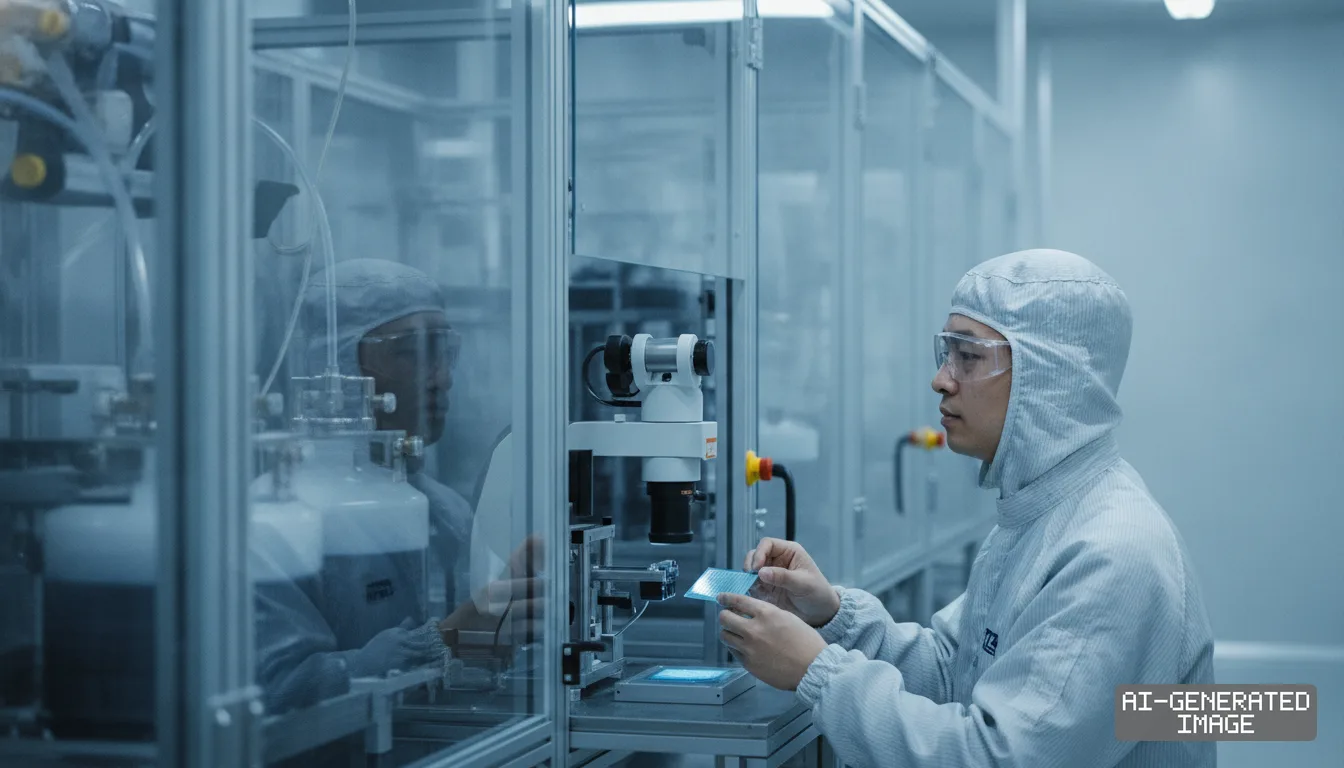
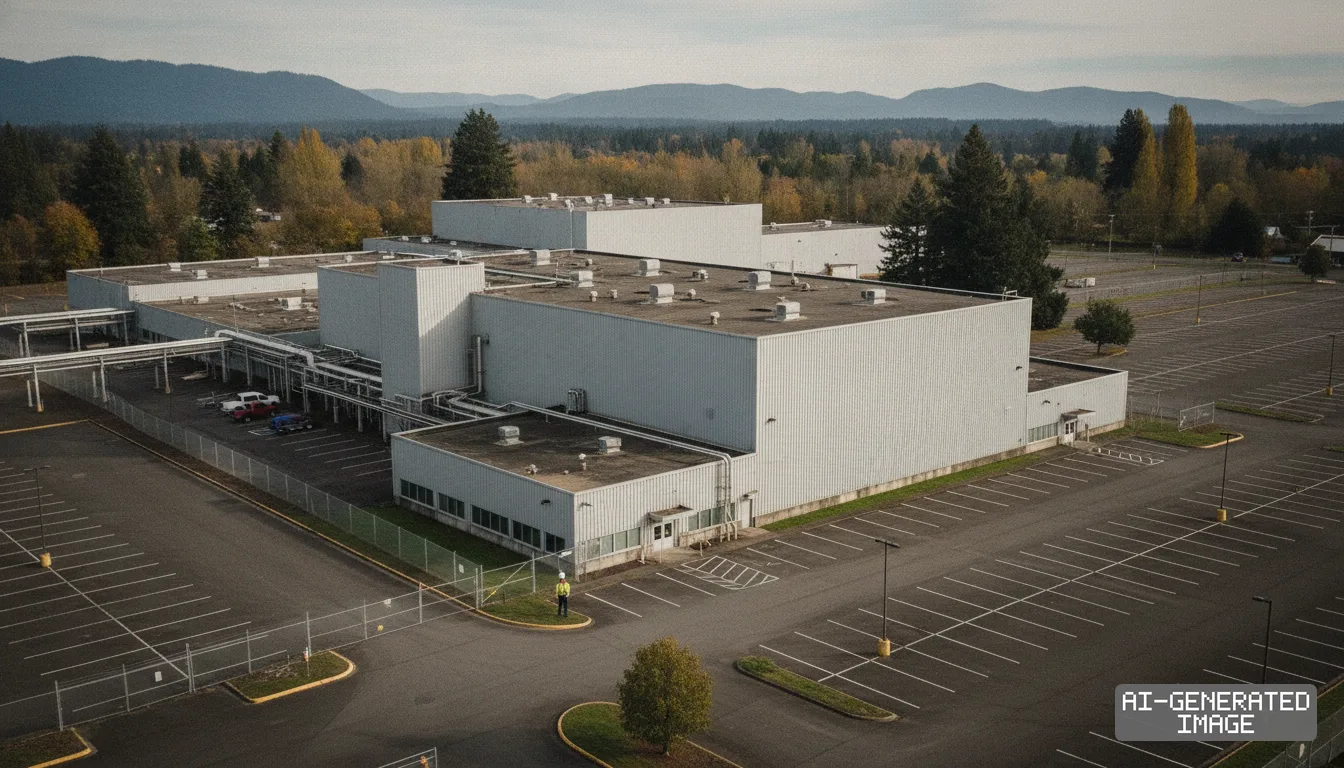
Nissan Chemical confirmed on Oct. 10 that it will fund a 210 million yuan ($29.6 million) semiconductor materials subsidiary in Zhangjiagang, China, establishing local production for advanced photolithography coatings.
The corporate project creates a wholly owned operational entity known as Nissan Chemical Semiconductor Materials (Zhangjiagang) Co., Ltd. The business focuses on the fabrication and distribution of bottom anti-reflective coating (BARC) formulations and multilayer patterning materials.
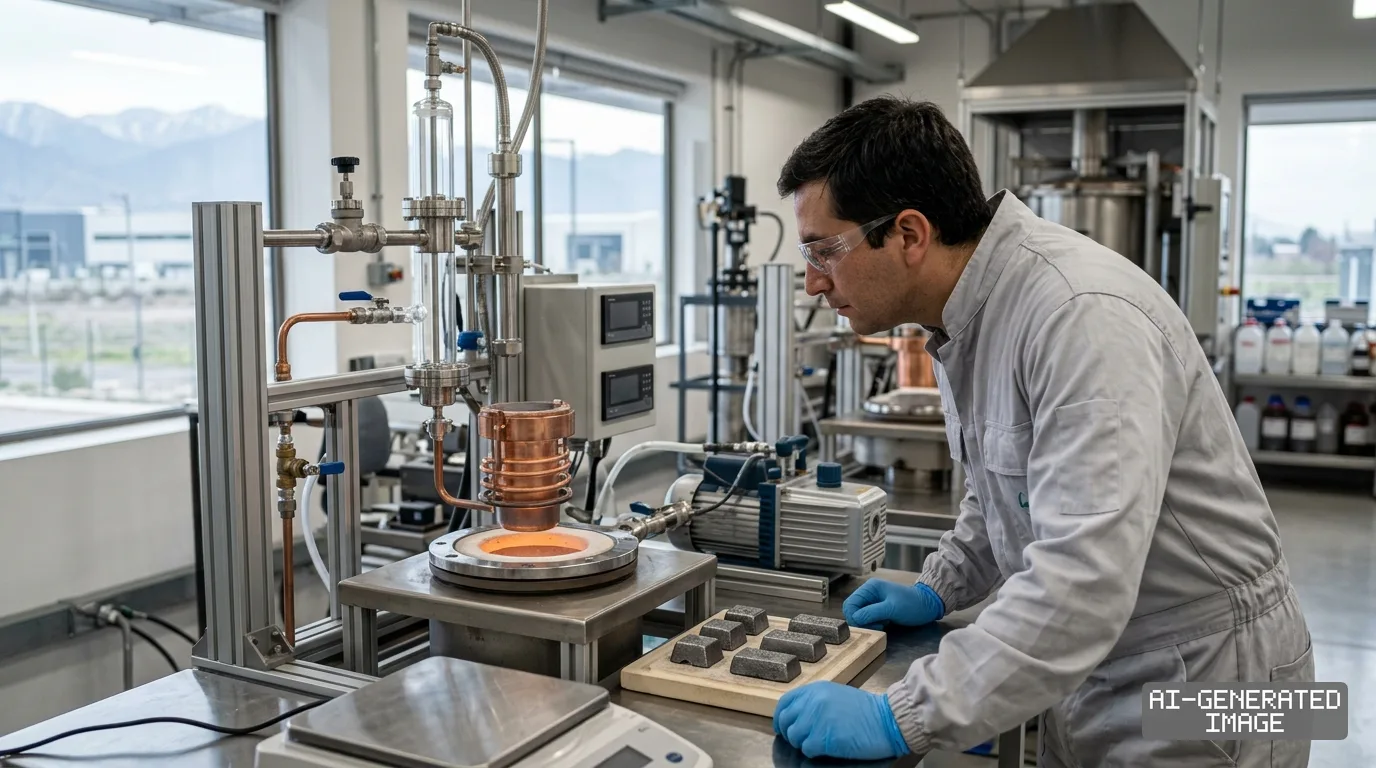
BARC is a specialized chemical film applied beneath photoresist to suppress stray light reflections during ultraviolet chip exposure. The coating prevents distortion when etching fine circuit features onto silicon wafers.
The registered capitalization of 210 million yuan represents roughly 5.0 billion yen. Because this sum exceeds 10% of the Tokyo-based parent company's stated capital, Japanese securities regulations classify the operation as a specified subsidiary.
Nissan Chemical structured the Chinese expansion through internal corporate actions earlier this year. The board of directors approved the investment resolution on April 28.
Corporate executives completed an investment agreement with the municipal government of Zhangjiagang in Jiangsu Province shortly afterward. Legal establishment and registration concluded on Sept. 1.
The enterprise is led by legal representative Takakazu Nakada. Nissan Chemical holds a 100% equity stake in the Zhangjiagang venture.
Management scheduled the initial capital remittance of 89 million yuan ($12.5 million) for Oct. 15. That initial tranche equals approximately 2.1 billion yen under prevailing foreign exchange conversions.
The move establishes domestic fabrication inside mainland China for chemical formulations previously supplied from Japanese production sites. Nissan Chemical aims to shorten procurement lead times for Chinese fabrication plants.
China remains an expanding fabrication market as domestic chipmakers build out trailing-edge and intermediate wafer lines. Wafer fabricators require reliable chemical supplies to insulate factory output against international logistics shocks.
Photolithography coatings represent an indispensable segment of semiconductor wafer processing. Each patterned wafer layer requires specialized chemical coatings to control critical pattern dimensions.
Nissan Chemical maintains long-standing intellectual property arrangements in this chemistry segment. The Japanese chemical group licenses core ARC technology through an Asian supply partnership with Brewer Science.
That long-standing licensing alliance extends through 2028 under commercial contracts renewed between both chemical houses. The agreement grants Nissan Chemical regional manufacturing and distribution rights across Asian production centers.
Export controls imposed by the United States, Japan and the Netherlands have blocked deliveries of advanced lithography machines to China. However, chemical consumables face fewer regulatory restrictions than complete scanner systems.
Japanese material houses supply the majority of global photolithography chemicals. Nissan Chemical, JSR, Shin-Etsu Chemical and Tokyo Ohka Kogyo provide vital coating solutions to global foundries.
By establishing Chinese production lines, Nissan Chemical secures commercial footholds at domestic Chinese chip fabricators. Localized inventory shields chemical suppliers from cross-border clearance disruptions.
The Japanese company determined that the financial impact of establishing the Zhangjiagang plant on consolidated earnings for the fiscal year ending March 31, 2027, will be minor. Capital expenditures will proceed across staggered phases.
Nissan Chemical operates existing Chinese functional materials laboratories through a separate unit in Suzhou. That research branch operates independently from the new Zhangjiagang entity.
The notice does not state whether the Zhangjiagang plant will house dedicated laboratory facilities, and Nissan Chemical has not published capacity targets or specific customer delivery schedules.
The company will transfer the first equity payment of 89 million yuan to the Zhangjiagang corporate account on Oct. 15. The subsidiary adopts a standard financial reporting calendar closing annually on Dec. 31.
Impact map
How this development propagates across the region and out to global buyers.
| Event | Korea | China | Japan | Global impact |
|---|---|---|---|---|
| Nissan Chemical China manufacturing subsidiary | South Korean memory makers maintain separate domestic BARC supply lines | Domestic foundries secure local sourcing for photolithography BARC materials | Nissan Chemical commits 5.0 billion yen in registered capital to China | Lithography material supply chain regionalizes amid equipment export barriers |
In this story
- Companies
- Nissan Chemical Corporation
- Tickers
- 4021.T
- Exposed
- Brewer Science
- Policy
- Economic Security
- Impact
- Supply ChainCapex
Track every Economic Security development →
Related briefings
Sources
Reporting
Confidence: medium — how we grade this
The documents behind this briefing are linked above. East Asia Brief produces its English text with AI assistance under human editorial review, and does not translate or republish other outlets' articles. See our methodology and AI policy. Spotted an error? Tell us.
The Morning Brief
What changed in Korean, Chinese and Japanese industry overnight — and what it means for your supply chain. One email, weekday mornings, US time. Free.
The Morning Brief is in preparation. Leave your address and we will write to you once — when the first issue is ready. Nothing before that.