LS Cable enters non-China rare earth magnet supply chain
Affiliates pair Vietnamese refining and Lynas feedstock to deliver 1,000 tons of permanent magnets annually by 2027 as Western automakers seek alternatives to Chinese minerals.
LS Eco Advanced Materials formalized the alignment of its neodymium permanent magnet supply chain on Sept. 16, 2026, integrating group affiliates to supply non-Chinese motor inputs for electric vehicles and industrial robotics.
The coordinated initiative targets an annual output of 1,000 metric tons of sintered neodymium-iron-boron magnets by 2027. That finished volume provides magnetic material sufficient for approximately 500,000 electric vehicle traction motors.
China currently controls roughly 85% of global permanent magnet production and more than 90% of separated rare-earth refining capacity. LS Cable & System aims to bypass those export controls by securing raw feedstock outside China.
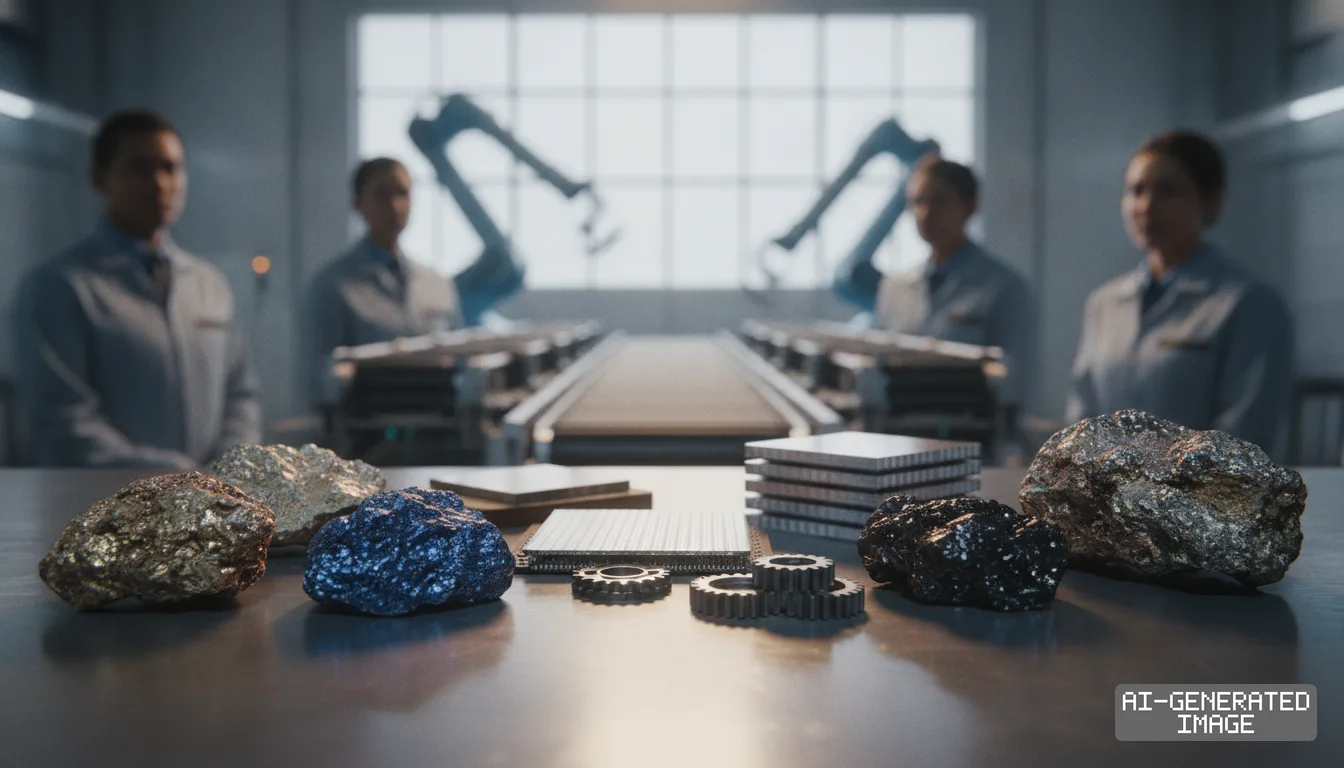
Permanent magnets, copper winding wire and electromagnetic cores dictate motor power and efficiency. LS Group is linking those three manufacturing stages across its affiliates to supply automakers and robotics developers seeking non-Chinese components.
LS Eco Advanced Materials operates as the downstream electrical conductor hub within this corporate network. The company was established in 2022 by spinning off the specialized winding wire business unit from parent company LS Cable & System.
The unit supplies high-efficiency rectangular copper wire used in high-voltage traction motors. It accounts for more than 70% of the South Korean market for electric vehicle motor windings, supplying Hyundai Motor and Kia.
The company also supplies motor windings to General Motors in North America. Integrating magnet wire fabrication with guaranteed permanent magnet supply allows the manufacturer to offer complete component packages to automotive and automation clients.
Upstream raw material procurement centers on a strategic partnership with Australia's Lynas Rare Earths. Lynas operates the Mount Weld mine in Western Australia and remains the only commercial-scale producer of separated rare earths operating outside China.
Affiliate LS Eco Energy cemented that procurement channel on July 27, 2026, by executing a cross-investment agreement with Lynas. Under the contract, each company subscribed to 30 billion won ($22 million) of convertible bonds issued by the other to guarantee oxide deliveries.
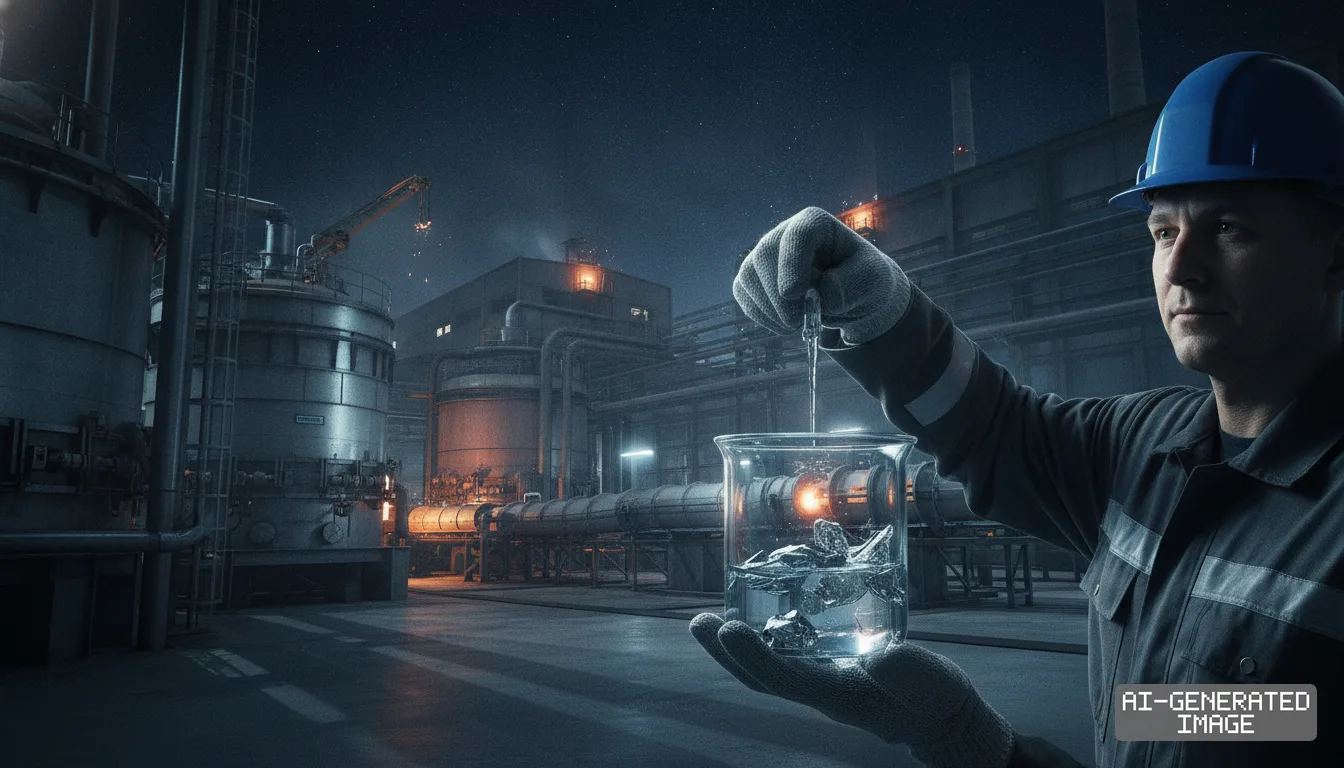
LS Eco Energy handles the metallurgical conversion step that transforms rare-earth oxides into finished metals and alloys. The affiliate is establishing a reduction line to process neodymium-praseodymium oxide into metallic ingots, with initial testing configured for 500 metric tons of alloy annually.
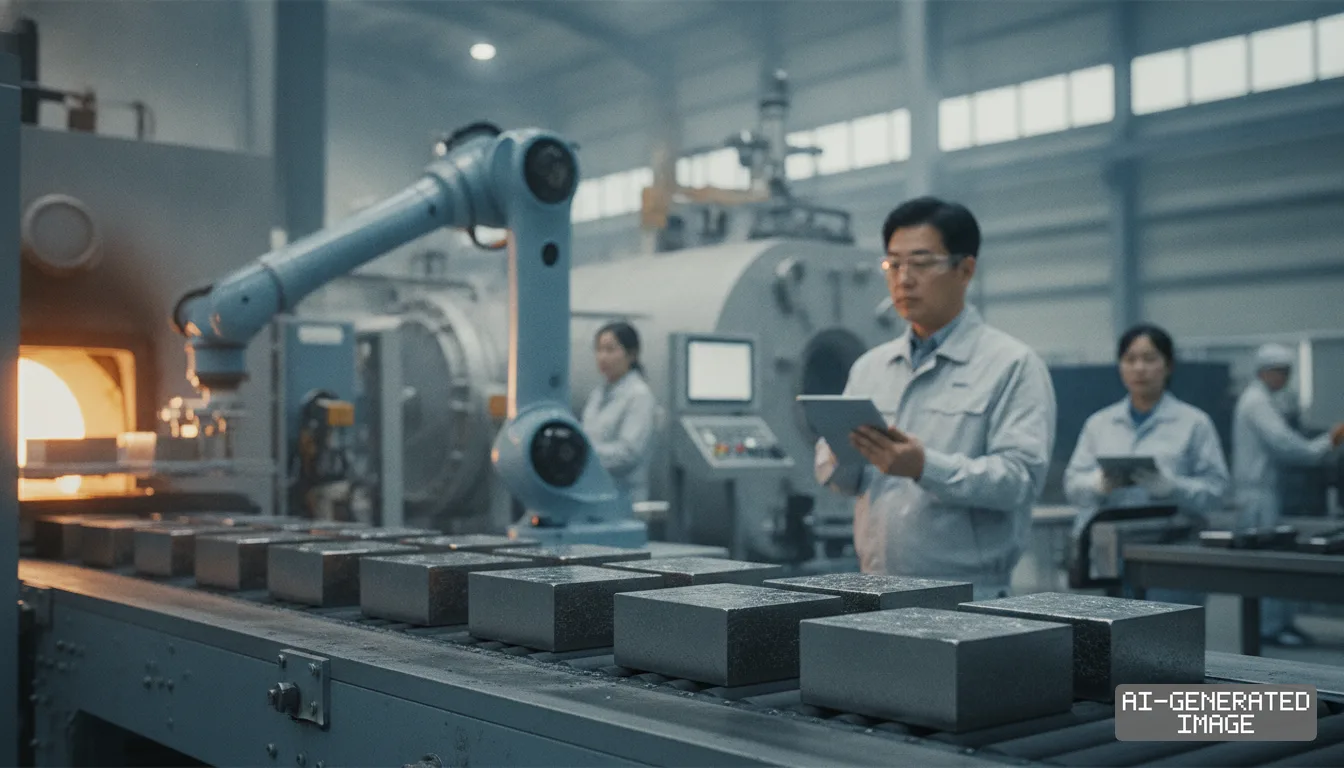
The metallic feedstock is then routed to LS Eco Advanced Materials for milling, pressing and sintering. The sintered blocks undergo precision slicing, plating and pulse magnetization to produce finished neodymium-iron-boron motor segments.
South Korea imported $462 million of permanent magnets in 2025, according to the Korea International Trade Association. Chinese manufacturers accounted for 87.4% of that total, leaving domestic motor makers exposed to export restrictions imposed by China's Ministry of Commerce.
China revised its export control catalogue to restrict foreign transfers of rare-earth magnet manufacturing technology. The restrictions cover preparation processes for neodymium-iron-boron, samarium-cobalt and cerium-based magnetic materials.
Automakers face parallel regulatory restrictions in the United States under the Inflation Reduction Act. Traction motors containing critical minerals extracted or processed by a Foreign Entity of Concern forfeit consumer tax credits.
The Office of the United States Trade Representative also raised Section 301 tariffs on Chinese permanent magnets to 25%. That tariff adjustment accelerates North American procurement schedules for non-Chinese traction components.
Domestic permanent magnet fabrication in South Korea has historically lacked local alloy preparation capacity. While regional manufacturers have operated sintering lines, they have continued to depend on imported rare-earth metals and strip-cast flakes.
LS Group plans to resolve processing bottlenecks by utilizing LS Eco Energy's manufacturing complex in Haiphong, Vietnam. The facility already produces electrical cabling, offering industrial infrastructure for rare-earth reduction.
Automotive traction motors require dysprosium and terbium additions to prevent demagnetization at operating temperatures exceeding 180 degrees Celsius. Lynas produces both heavy rare earths through separation circuits at Mount Weld and its Gebeng plant in Malaysia.
LS Eco Energy secured access to those heavy fractions under the partnership agreement, ensuring finished magnets satisfy automotive thermal ratings. The supply arrangement guarantees baseline heavy rare-earth volumes required for high-torque vehicle drivetrains.
A senior automotive procurement director at a tier-one driveline supplier said non-Chinese permanent magnets command a price premium of 15% to 20% over domestic Chinese market quotes. Automakers accept the difference to qualify vehicles for Western subsidies and avoid customs delays.
A materials research engineer at the Korea Institute of Materials Science noted that domestic pilot sintering runs have achieved magnetic energy products exceeding 50 megagauss-oersteds. Maintaining consistency across high-volume production batches without Chinese additives remains the primary technical task.
A freight logistics manager surnamed Park, 44, who handles customs filings at Busan Port, said clearance documentation for Chinese rare-earth shipments has lengthened from five days to more than three weeks following export tracking declarations.
LS Eco Advanced Materials has scheduled initial pilot sintering runs for the second quarter of 2026 at its production site in Gumi. Commercial deliveries of 1,000 metric tons per year are scheduled to begin in October 2027.
The commercial supply contract between LS Eco Energy and Lynas does not disclose the pricing formula for rare-earth oxide shipments. Corporate filings omit whether baseline pricing links to published spot indices or incorporates fixed floor thresholds.
South Korea's Ministry of Trade, Industry and Energy will review qualification benchmarks for non-Chinese permanent magnet supply chains at a working group session in Seoul on Nov. 12.
Sources
Reporting
Confidence: medium — how we grade this
The documents behind this briefing are linked above. East Asia Brief produces its English text with AI assistance under human editorial review, and does not translate or republish other outlets' articles. See our methodology and AI policy. Spotted an error? Tell us.
The Morning Brief
What changed in Korean, Chinese and Japanese industry overnight — and what it means for your supply chain. One email, weekday mornings, US time. Free.
The first issue goes out shortly. Sign up now and you will not miss it.