Korean shipbuilders validate quiet electric propulsion on naval unmanned surface vessels
Hanwha and HD Hyundai run sea trials on low-noise hybrid and rim-drive motors to expand coastal mission endurance and acoustic stealth for autonomous warships.
South Korea's major naval shipbuilders and defense contractors have begun validating next-generation electric and hybrid propulsion architectures on prototype unmanned surface vessels, moving to cut acoustic signatures and extend mission endurance for autonomous coastal operations.
The propulsion validation campaigns by Hanwha Systems, Hanwha Ocean, and HD Hyundai Heavy Industries align with the Republic of Korea Navy's Navy Sea GHOST operational framework, a force modernization program designed to integrate autonomous surface, subsurface, and aerial combat platforms with manned naval strike groups. Naval planners have placed acoustic stealth and sustained cruising range at the center of unmanned vessel acquisition requirements. Conventional mechanical propulsion trains powered by high-speed diesel combustion engines generate distinct low-frequency acoustic and thermal signatures that expose small unmanned craft to passive hydrophone arrays, coastal sonar networks, and infrared tracking systems. By shifting toward integrated electric drive systems, rim-driven thrusters, and hybrid-electric battery topologies, South Korean defense yards are engineering unmanned surface vessels capable of loitering quietly in contested littoral zones while retaining sufficient burst speed to execute interception and strike missions.
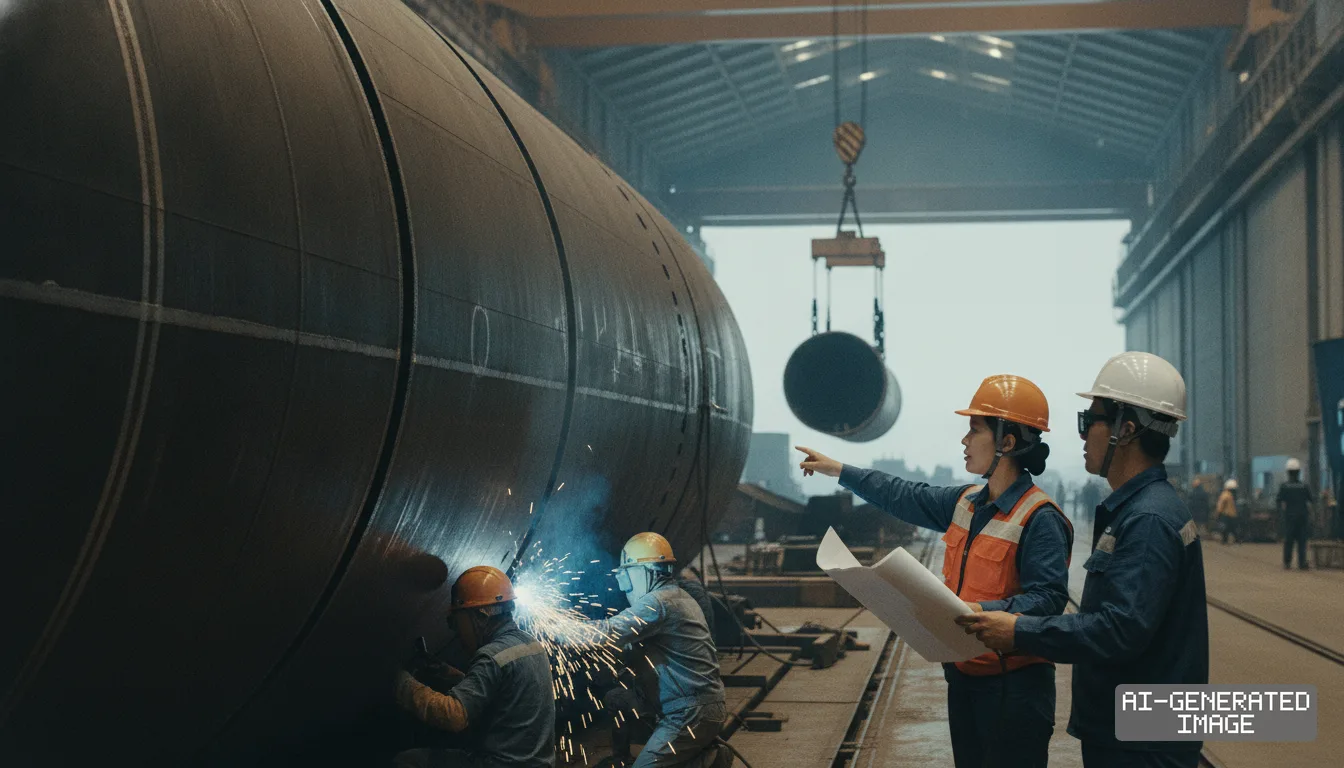
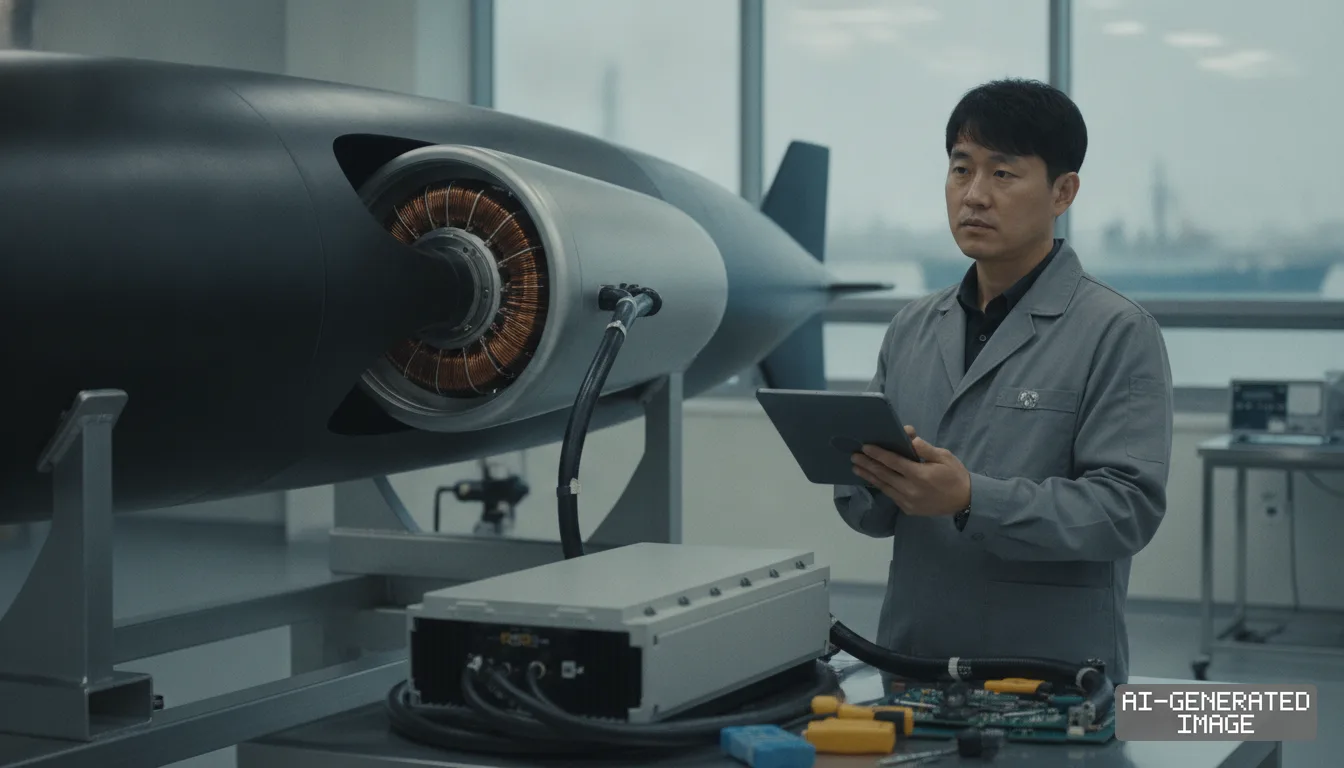
Hanwha Systems has committed approximately 70 billion won ($52 million) in corporate research and capital funding to develop indigenous 30-ton and 140-ton class unmanned surface platforms engineered for multi-domain coastal defense and reconnaissance operations. The defense electronics firm initiated comprehensive open-water sea trials for its 30-ton prototype in waters connecting Busan's Gadeok Bridge to Jangmok Port on Geoje Island. The vessel operates on a specialized diesel-hybrid and electric power management configuration optimized for silent running during low-speed sensor sweep operations. The platform incorporates the Unmanned Maritime Autonomy Architecture (UMAA) protocol established by the United States Navy, verifying software interoperability alongside hardware tests that evaluate navigation stability under severe sea states and long-range autonomous routing exceeding several hundred nautical miles. In parallel, sister shipyard Hanwha Ocean has integrated rim-driven electric propulsion assemblies that position the electric motor windings directly inside an outer duct casing surrounding the propeller blades. This configuration eliminates centralized mechanical drive shafts, reduction gears, and thrust bearings, removing the mechanical vibration sources that generate underwater radiated noise while dampening hydrodynamic flow disturbances.
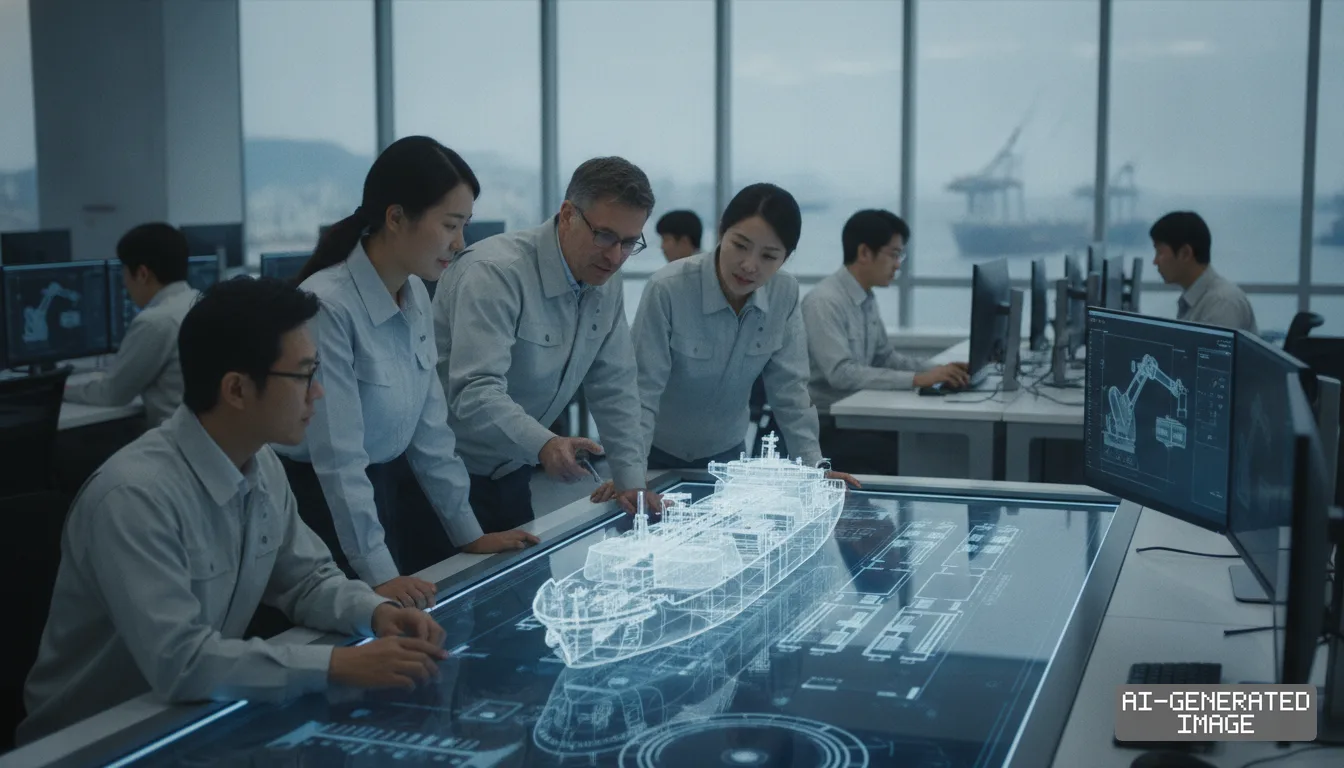
HD Hyundai Heavy Industries has expanded its own naval unmanned portfolio after securing contracts from the Republic of Korea Navy Headquarters for the conceptual design of combat-type unmanned surface vessels and shipborne reconnaissance craft designed for deployment from destroyers and frigates. To solve the hydro-acoustic challenges inherent in high-thrust electric propulsors, HD Hyundai Heavy Industries entered an engineering cooperation agreement with the Korea Research Institute of Ships and Ocean Engineering (KRISO). The joint development program focuses on predicting propeller-induced underwater radiated noise, refining power electronic variable-frequency drives, and mitigating tip-vortex cavitation across varied operational duty cycles. Cavitation the formation and sudden collapse of vapor bubbles around high-speed blade surfaces represents the single largest contributor to a vessel's underwater acoustic signature once speeds exceed cruising thresholds. The shipyard is applying computational fluid dynamics simulations and scaled basin testing at KRISO's specialized maritime test facilities to shape electric propulsion blades that delay cavitation onset across tactical acceleration curves.
The push into high-efficiency electric drives operates alongside longer-range defense research initiatives administered by the Defense Acquisition Program Administration (DAPA) and the Korea Research Institute for Defense Technology Planning and Advancement (KRIT). Under its Future Defense Challenge Technology R&D funding framework, the defense procurement agency has funded fundamental exploratory studies into magnetohydrodynamic and electromagnetic fluid propulsion mechanisms that use superconducting magnetic coils to propel conductive seawater without mechanical moving parts. While state laboratories investigate the high-magnetic-field physics and materials constraints associated with magnetohydrodynamic systems, commercial defense shipbuilders are directing near-term production lines toward battery-electric and hybrid rim-drive units that can enter serial naval procurement within the current decade.
The commercialization timeline of these low-noise propulsion suites directly affects South Korea's warship export strategy. International naval procurement agencies across North America, Southeast Asia, and Europe increasingly mandate that major combatant acquisitions including frigates, corvettes, and offshore patrol vessels include fully integrated, interoperable unmanned surface vessel systems for perimeter defense and mine countermeasures. Shipbuilders that can supply host vessels alongside acoustically suppressed, standards-compliant unmanned strike craft establish a distinct operational advantage in multi-billion-dollar foreign naval tenders. For global fleet operators, the operational yield centers on acoustic masking: an unmanned vessel running on battery-backed electric thrusters can approach hostile littoral defenses or maintain passive anti-submarine surveillance cordons without triggering coastal acoustic monitoring barriers.
The Republic of Korea Navy plans to evaluate data from the current Hanwha and HD Hyundai autonomous propulsion trials as it finalizes technical baseline requirements for its formal Batch-II combat unmanned surface vessel procurement programs.
Impact map
How this development propagates across the region and out to global buyers.
| Event | Korea | China | Japan | Global impact |
|---|---|---|---|---|
| Naval USV quiet propulsion | shipbuilders scale electric drives | littoral surveillance pressured | naval drone teaming accelerated | allied warship packages adopt USVs |
In this story
- Companies
- Hanwha SystemsHanwha OceanHD Hyundai Heavy Industries
- Tickers
- 272210.KS042660.KS329180.KS
- Policy
- Economic SecuritySubsidies
- Impact
- Supply ChainOrder BookCompliance
Track every Economic Security development → Track every Subsidies development →
Related briefings
- HD Hyundai and Hanwha Ocean split naval platforms for export Also on Hanwha Systems, Hanwha Ocean, HD Hyundai Heavy Industries
- Hanwha Ocean Wins $508 Million Thai Stealth Frigate Program Also on Hanwha Systems, Hanwha Ocean, HD Hyundai Heavy Industries
- Hanwha Ocean hosts US Sen. Dave McCormick to advance naval repair and yard ties Also on Hanwha Systems, Hanwha Ocean, Order Book
- Hanwha Ocean widens US naval shipyard ties in McCormick tour Also on Hanwha Systems, Hanwha Ocean, Order Book
Sources
Reporting
Confidence: medium — how we grade this
The documents behind this briefing are linked above. East Asia Brief produces its English text with AI assistance under human editorial review, and does not translate or republish other outlets' articles. See our methodology and AI policy. Spotted an error? Tell us.
The Morning Brief
What changed in Korean, Chinese and Japanese industry overnight — and what it means for your supply chain. One email, weekday mornings, US time. Free.
The Morning Brief is in preparation. Leave your address and we will write to you once — when the first issue is ready. Nothing before that.