# Apple negotiates multi-year mobile DRAM supply pact with Samsung
*The framework secures minimum delivery floors starting in early 2027 as contract prices for 12-gigabyte LPDDR5X modules climbed from $30 to $70.*
**Published:** November 17, 2026
**By:** Ji-woo Han
**Section:** Semiconductors & AI Hardware — South Korea
**Format:** Company Watch
**Confidence:** high
**Source:** https://eastasiabrief.com/semiconductors/apple-negotiates-multi-year-mobile-dram-supply-pact-samsung-1514
**Publisher:** East Asia Brief (https://eastasiabrief.com/)
---
## What to know
- Apple negotiates four- to five-year mobile DRAM supply floor with Samsung Electronics
- Contract prices for 12GB LPDDR5X climbed from $30 to $70 as rivals prioritize HBM
- Proposed procurement framework targets initial volume deliveries in early 2027
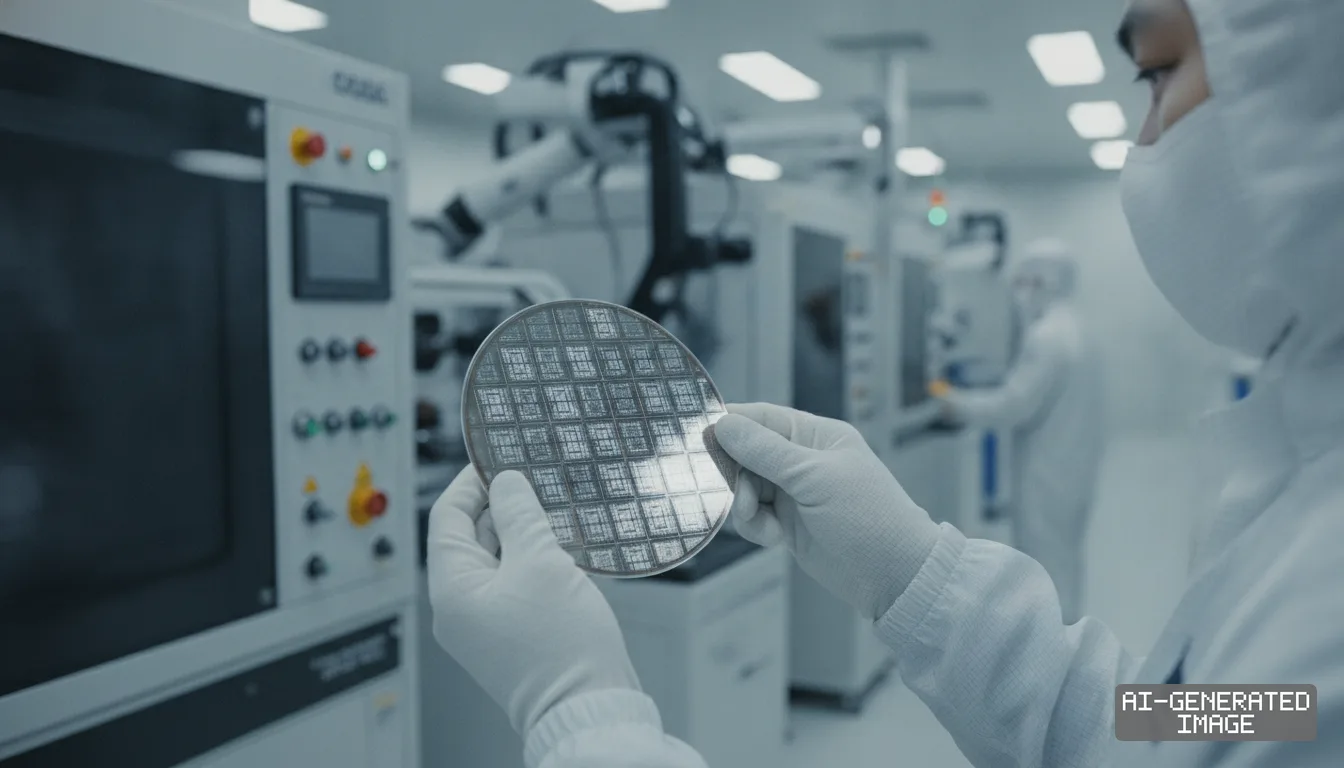
*A cleanroom technician in protective gear inspects a silicon wafer inside a semiconductor fabrication facility. (AI-generated image)*
Apple moved to negotiate a four- to five-year supply agreement with Samsung Electronics on Nov. 17, 2026, seeking guaranteed volumes of low-power mobile DRAM for on-device artificial intelligence hardware.
The proposed framework secures minimum delivery floors beginning in the first half of 2027. Neither company has disclosed a total transaction value, bit shipment target, or guaranteed wafer volume.
The talks follow a sharp increase in mobile memory procurement costs over the past year. Industry contract prices for 12-gigabyte LPDDR5X modules climbed from approximately $30 to $70 as wafer capacity tightened worldwide.
Samsung Electronics supplies between 60% and 70% of the mobile DRAM packages used in recent iPhone models. A multi-year pact would institutionalize that reliance across smartphones and portable computers through at least 2031.
Apple historically split memory procurement across three suppliers to preserve commercial leverage. That strategy distributed orders between Samsung Electronics, SK hynix and Micron Technology to maintain competitive bid dynamics.
The expansion of data center computing disrupted that procurement equilibrium. SK hynix and Micron directed substantial cleanroom and lithography capacity toward high-bandwidth memory (HBM) modules for server accelerators.
The rapid reallocation of advanced dynamic random-access memory lines constrained industry output of mobile components. Cleanrooms dedicated to stacking and testing HBM draw disproportionate wafer volumes away from conventional fabrication.
Samsung Electronics retained larger operational scale across its memory fabrication lines in Pyeongtaek, South Korea. That manufacturing cushion established Samsung as the primary producer capable of meeting consumer volume requirements.
On-device generative AI features require larger memory capacity inside handheld hardware. Smartphones running localized neural networks require 12 gigabytes to 16 gigabytes of DRAM to retain model parameters without interrupting core functions.
Processing on-device language models demands high data transfer rates under severe battery constraints. Modern LPDDR5X modules operate at speeds up to 8.5 gigabits per second while reducing power consumption relative to predecessor chips.
Device form factors impose strict physical limits on semiconductor packaging. Samsung manufactures four-stack 12-nanometer-class LPDDR5X packages measuring 0.65 millimeters in thickness, providing a 21.2% improvement in thermal resistance over previous packaging designs.
The commercial terms under discussion depart from traditional fixed-rate purchasing contracts. The agreement guarantees baseline shipment volumes while resetting product pricing every quarter to reflect prevailing spot and contract indices.
The pricing mechanism protects Samsung Electronics against long-term cost fluctuations during periods of semiconductor inflation. In exchange, Apple secures component allocations that protect manufacturing assembly schedules from severe supply disruptions.
Rising memory expenses exert pressure on hardware profit margins across the smartphone sector. Mobile DRAM now represents a higher percentage of total bill-of-materials costs than at any point since early 5G adoption.
SK hynix has booked its advanced DRAM lines for high-bandwidth memory orders through 2027. That priority limits the company from committing equivalent long-term low-power DRAM quotas to consumer hardware manufacturers.
Micron Technology has committed similar production lines to enterprise AI memory expansion in the United States and Asia. The vendor distribution leaves device makers with few alternate sources for large-scale mobile orders.
Samsung Electronics faces internal allocation pressures between external clients and its own mobile communications division. Its internal smartphone operations must compete for the same 12-nanometer and 1b-class fabrication runs to supply flagship devices.
Neither company has released an official statement confirming an executed transaction. Samsung Electronics submitted no single-customer supply disclosure to the Korea Exchange as of Nov. 17, 2026.
Apple has filed no Form 8-K report with the U.S. Securities and Exchange Commission disclosing a material definitive agreement. The absence of filings indicates formal contractual closing has not been registered.
Public records do not confirm total contract revenue, minimum wafer thresholds, or cancellation liabilities. The documents leave open whether final terms could be revised before both corporate boards provide formal authorization.
The procurement schedule under negotiation targets implementation in the first half of 2027. Initial wafer runs under the proposed framework would align with component delivery targets for next-generation hardware launches.
## Impact map
| Event | Korea | China | Japan | Global impact |
| --- | --- | --- | --- | --- |
| mobile DRAM multi-year supply agreement | Samsung Electronics locks in multi-year mobile volume floor, SK hynix retains server HBM focus | domestic smartphone brands face tighter merchant mobile DRAM allocations | semiconductor materials suppliers see stable substrate and precursor demand for mobile packaging | Apple insulates on-device AI hardware against HBM-driven memory shortages |
## In this story
- **Companies:** Apple, Samsung Electronics
- **Tickers:** AAPL, 005930.KS
- **Exposed:** SK hynix, Micron Technology
- **Impact:** Supply Chain, Pricing, Order Book
## Primary sources
1. fss.or.kr
2. mk.co.kr
3. digitbin.com
4. trendforce.com
---
Cite as: East Asia Brief, "Apple negotiates multi-year mobile DRAM supply pact with Samsung," November 17, 2026. https://eastasiabrief.com/semiconductors/apple-negotiates-multi-year-mobile-dram-supply-pact-samsung-1514